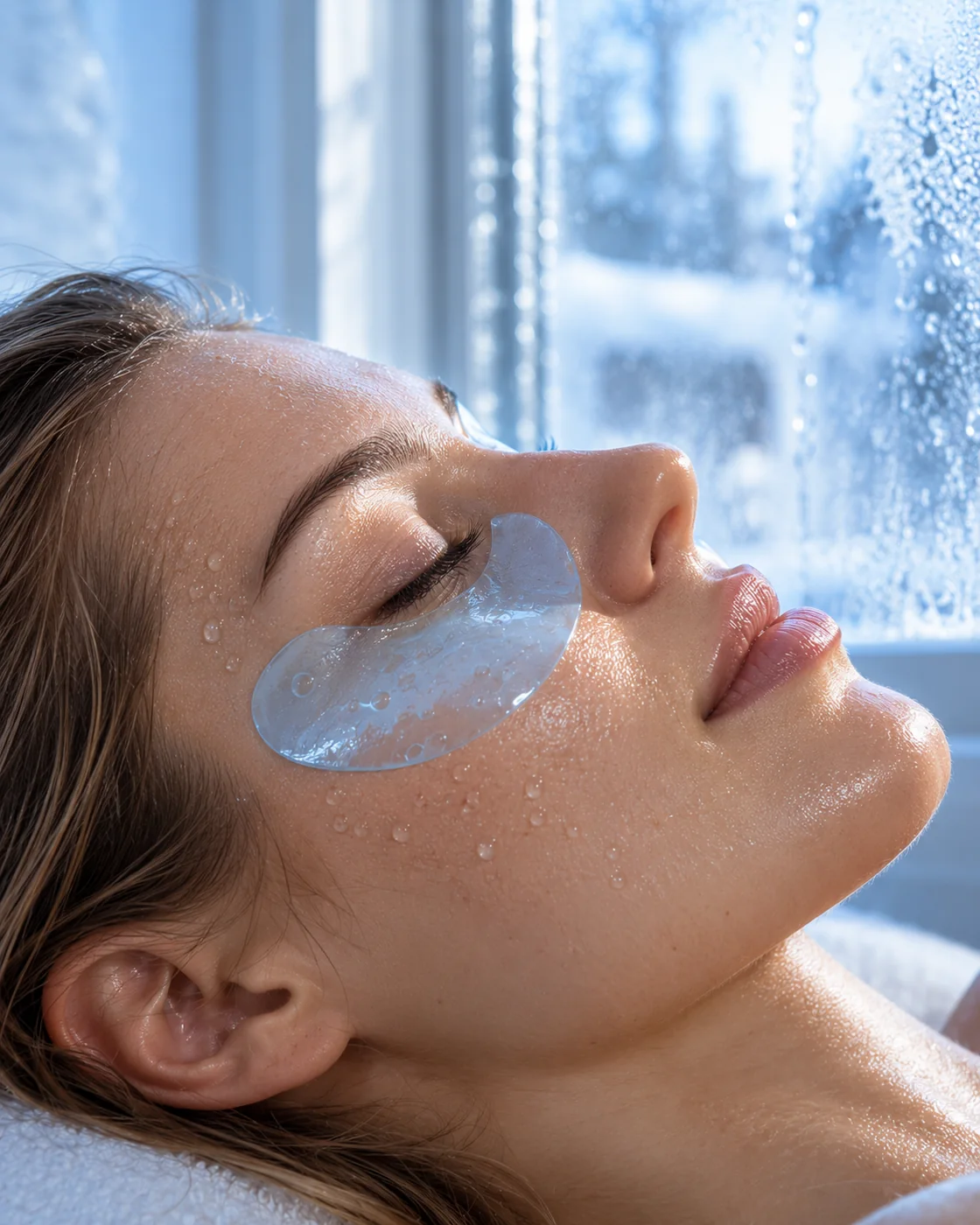
Hydrating Facial New
A hydrating facial for dry, tight and tired skin: cleansing, exfoliation, hydrating serums, massage and a mask. Skin is soft and fresh.
95 €90 min
 Book a visit
SKINIQUE JOURNAL · Seasons · 5 min read
Why does skin feel tight and flaky in winter, and what should you change in your routine? Practical advice for frosty days, the sauna and dry indoor air, and when a facial can help.
Skinique editorial

In winter, your skin is caught between two drying environments. Outdoors, frost and wind draw moisture from the skin, and indoors the heating makes the air dry. When the outer layer of the skin loses water faster than it can repair itself, the skin starts to feel tight, turn red and flake.
This is why a cream that worked well in autumn can feel too light by December. The cause is usually the change in conditions. In winter, skin needs gentler care and better protection than in summer.
If you are not sure whether your skin is dry or dehydrated, start with how to tell the difference. This article focuses on what to do differently in winter.
A winter routine does not need to be complicated. The aim is for the skin to lose less moisture and get more protection:
A lighter cream is often enough in the morning, with a richer one at night. If your skin starts to look shiny or you get breakouts, the rich cream may be too much. In that case, try a lighter cream with a hydrating serum underneath.
In frost and wind, your face is often the only exposed part of your body, so it needs protection. Apply your cream well before you go out so it has time to absorb. In hard frost, a rich cold-weather cream protects better than a light, water-based one.
You need sun protection in winter too. Snow reflects sunlight, and by late winter the sun is already strong. On a skiing trip, on the slopes and on bright days in March, sunscreen belongs on your face just as it does in summer.
A scarf or neck warmer shields your cheeks and chin from the wind. Lips dry out easily, so keep a lip balm with you.
The sauna is part of Finnish winter, and you do not need to give it up for your skin. After the sauna, the skin is warm and damp, which makes it a good moment for your cream. Rinse your face with cool water, pat it dry and apply cream within a few minutes, before the skin has time to dry.
Chlorinated pool water dries the skin even more. Shower after swimming, wash with a mild cleanser and apply cream straight away.
A long, hot shower feels good in winter, but it dries out the skin. Lukewarm water and a shorter shower are enough, and body lotion is best applied while the skin is still damp.
Many winter skin problems come from well-meant habits. These are worth avoiding:
If you use a retinoid or acids, you do not have to stop them for the winter. Your skin may tolerate them less well than in summer, though, so it is a good idea to use them less often and moisturise more. A humidifier in the bedroom can help if the indoor air is very dry.
If you develop an itchy rash, cracks or redness that does not settle even with good home care, see a doctor. Skin conditions are treated by a doctor.
Home care does most of the work, but a facial helps when your skin already feels tight, looks dull or red, and your usual cream no longer seems enough. At the start of the visit, Deniza looks at your skin and tells you what to change in your home care for the winter.
Book online directly for the treatment you need. If you are not sure which one suits your skin, ask Deniza before booking.
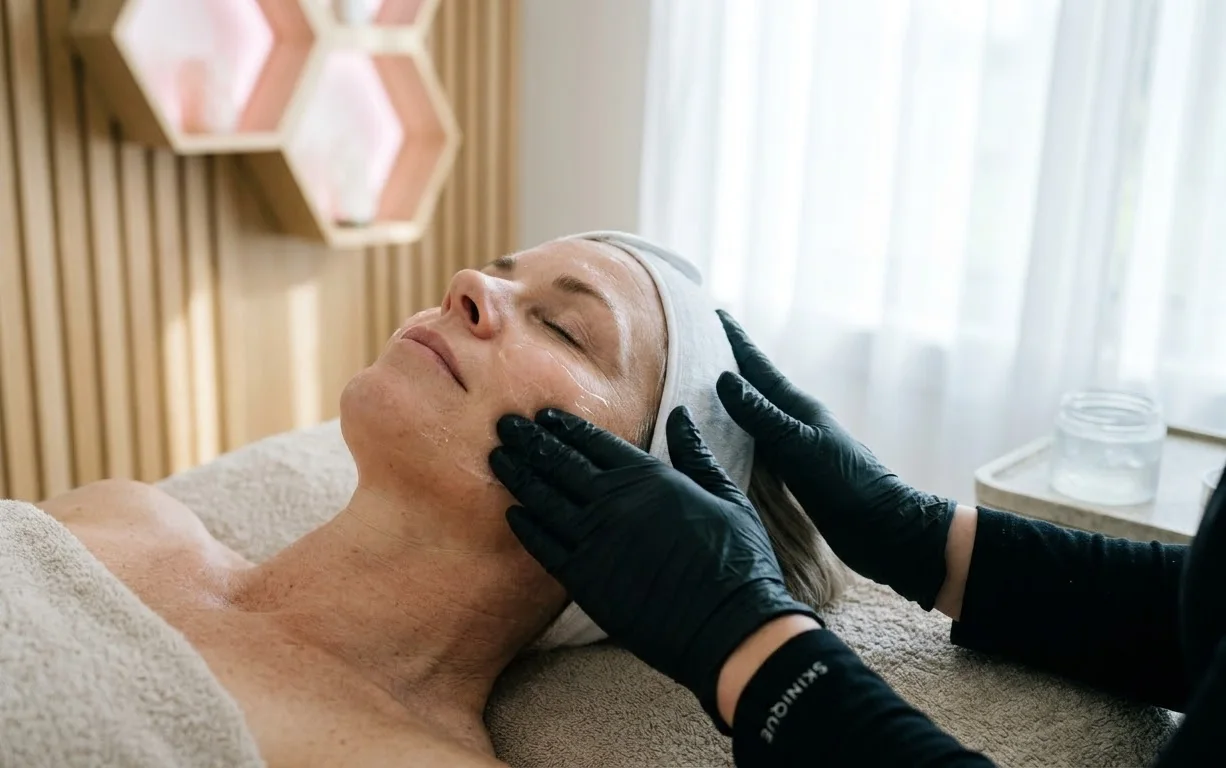
A hydrating facial for dry, tight and tired skin: cleansing, exfoliation, hydrating serums, massage and a mask. Skin is soft and fresh.
95 €90 min
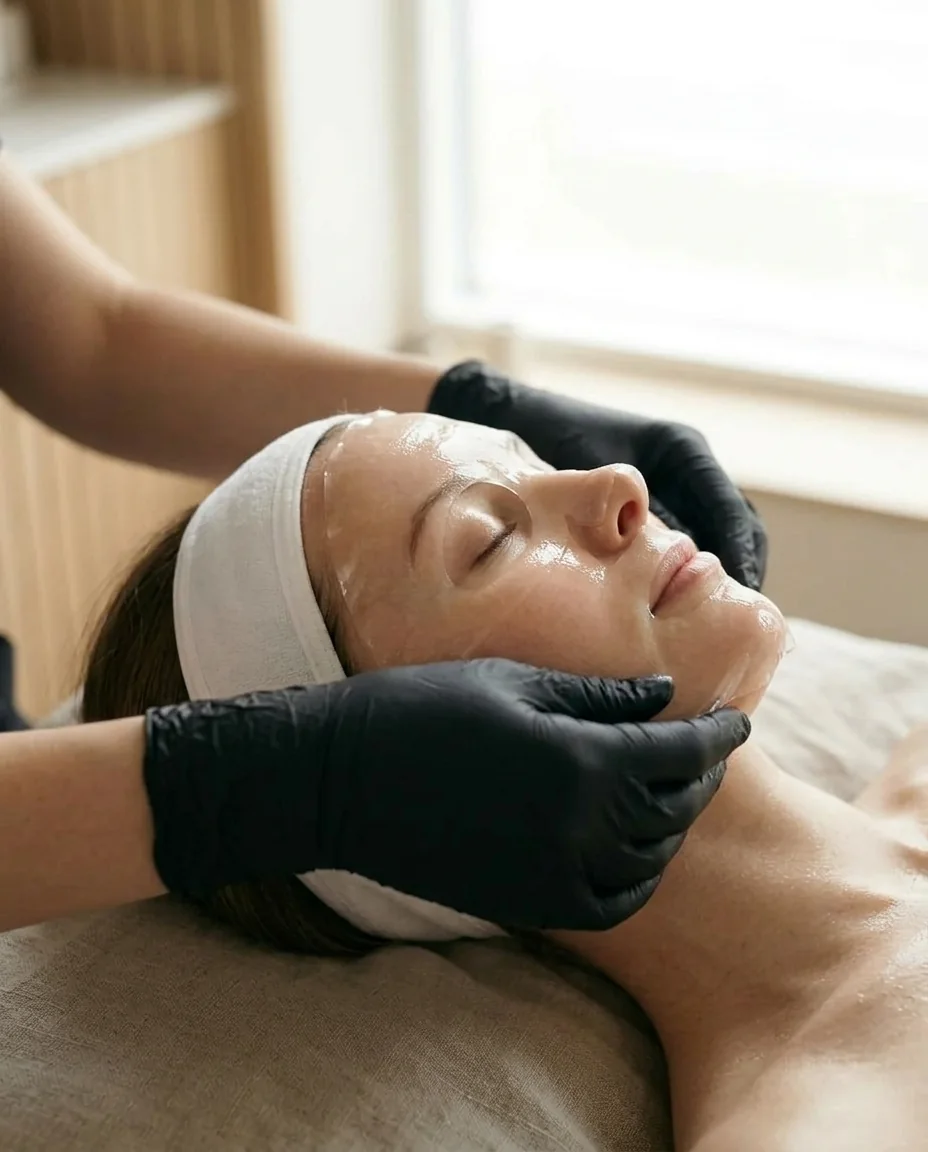
A deeply hydrating GIGI facial for dry, tight and tired skin. Gentle exfoliation and professional hydrating products bring back softness.
105 €90 min
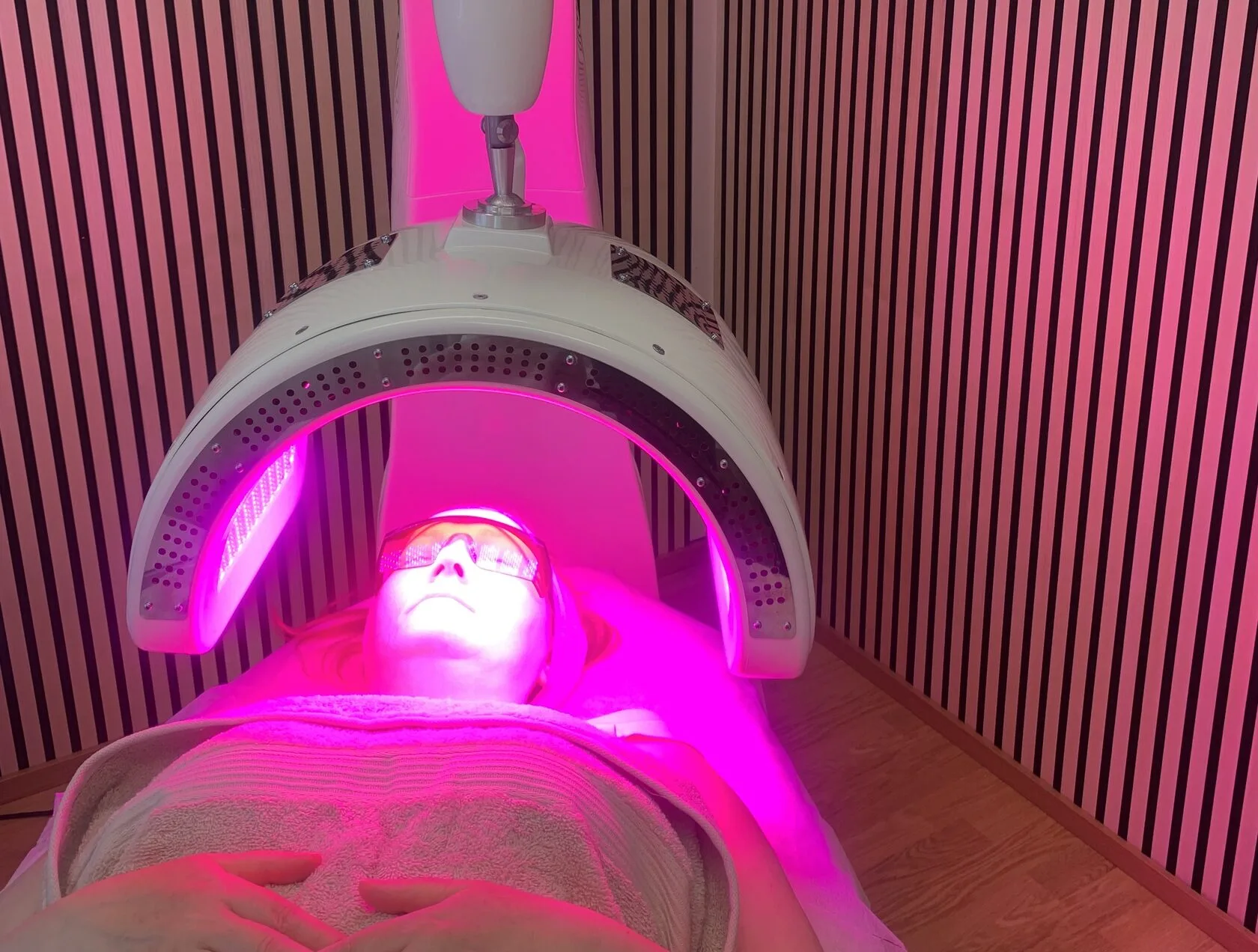
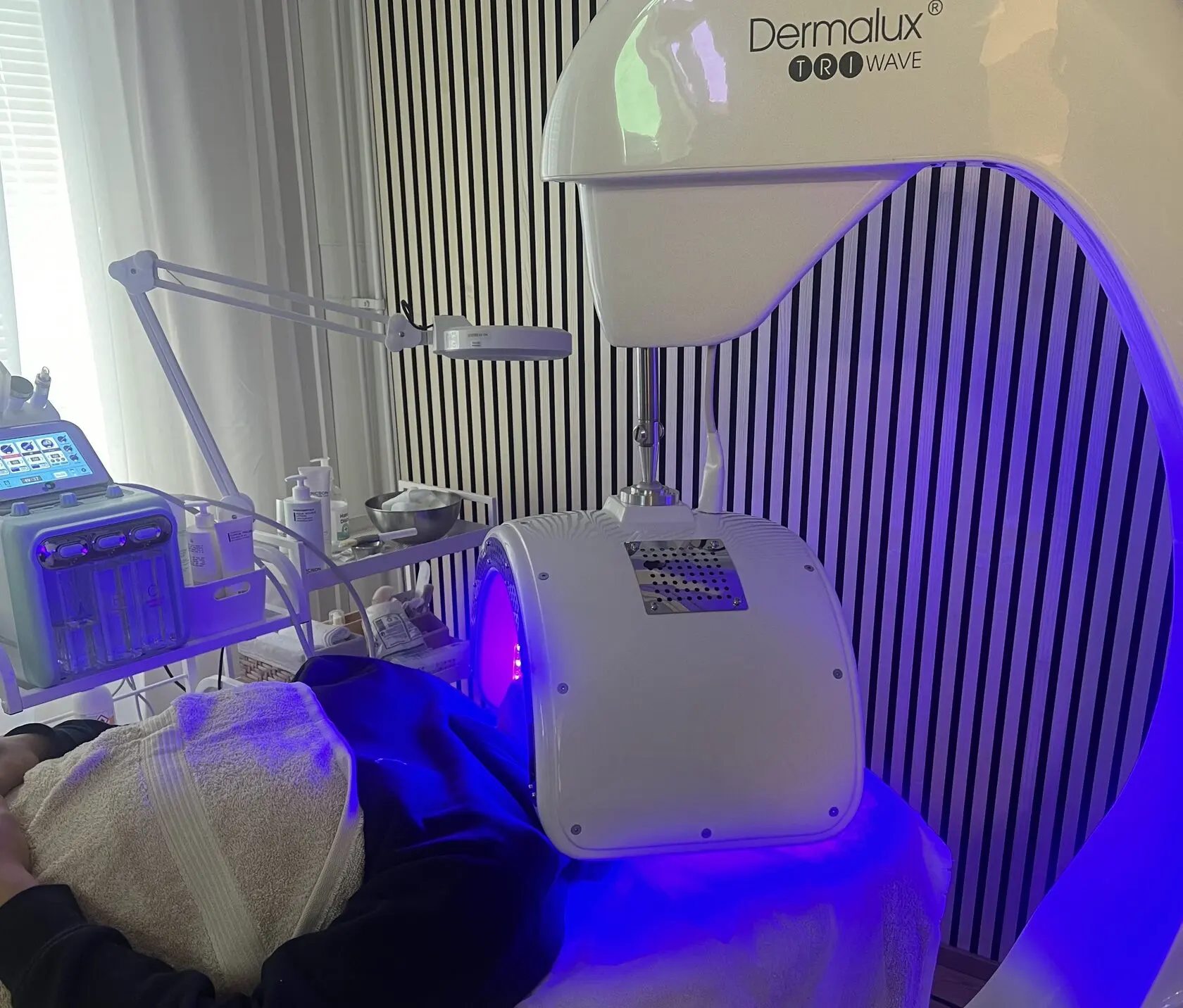
Dermalux Tri-Wave light therapy with red, blue and near-infrared light. It calms, brightens and supports the skin's own renewal – with no touch and no downtime.
75 €60 min
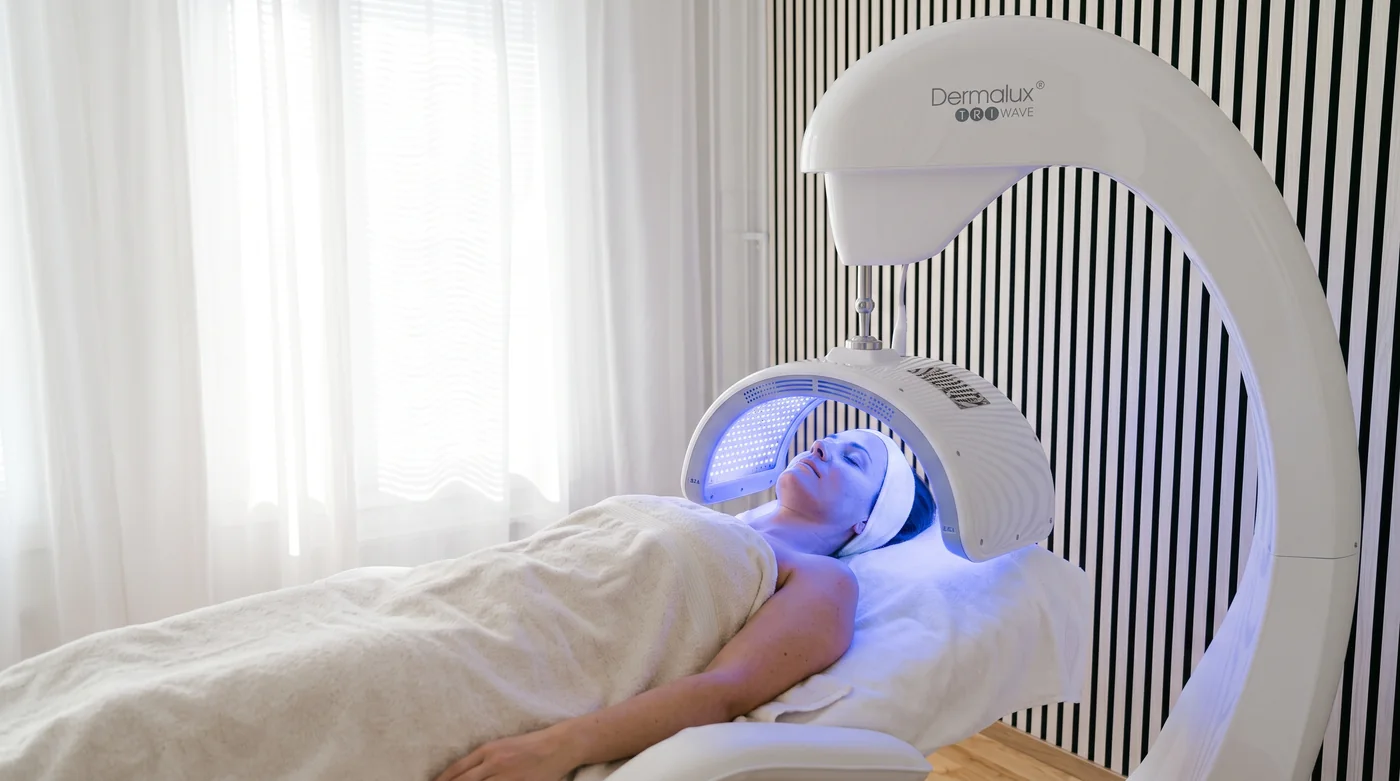
Dermalux
LED light therapy is one of the gentlest ways to support the skin. We explain in plain words how red, blue and near-infrared light work, who it suits and what results to expect.
Dermalux
15 minutes of LED can make a good facial even better – but not always. Here's which treatments LED works best with, and why.
GIGI
Does your skin feel tight even though your T-zone shines? Skin can be oily and dehydrated at the same time. We explain the difference, why Finnish winters dry the skin and how to treat it at home and in the studio.
Tell us what's on your mind. Deniza will help you choose a suitable treatment before you book.
Hi! Can I help?

Deni answers with ready-made answers from the website and gives no medical advice. Questions are saved without your name to improve the answers – please do not write personal data in the chat.
We use analytics (Google Analytics and Microsoft Clarity) to see how the site is used and to improve it. They are turned on only if you accept. You can change your choice any time at the bottom of the page. Privacy policy