GIGI Hydra Therapy
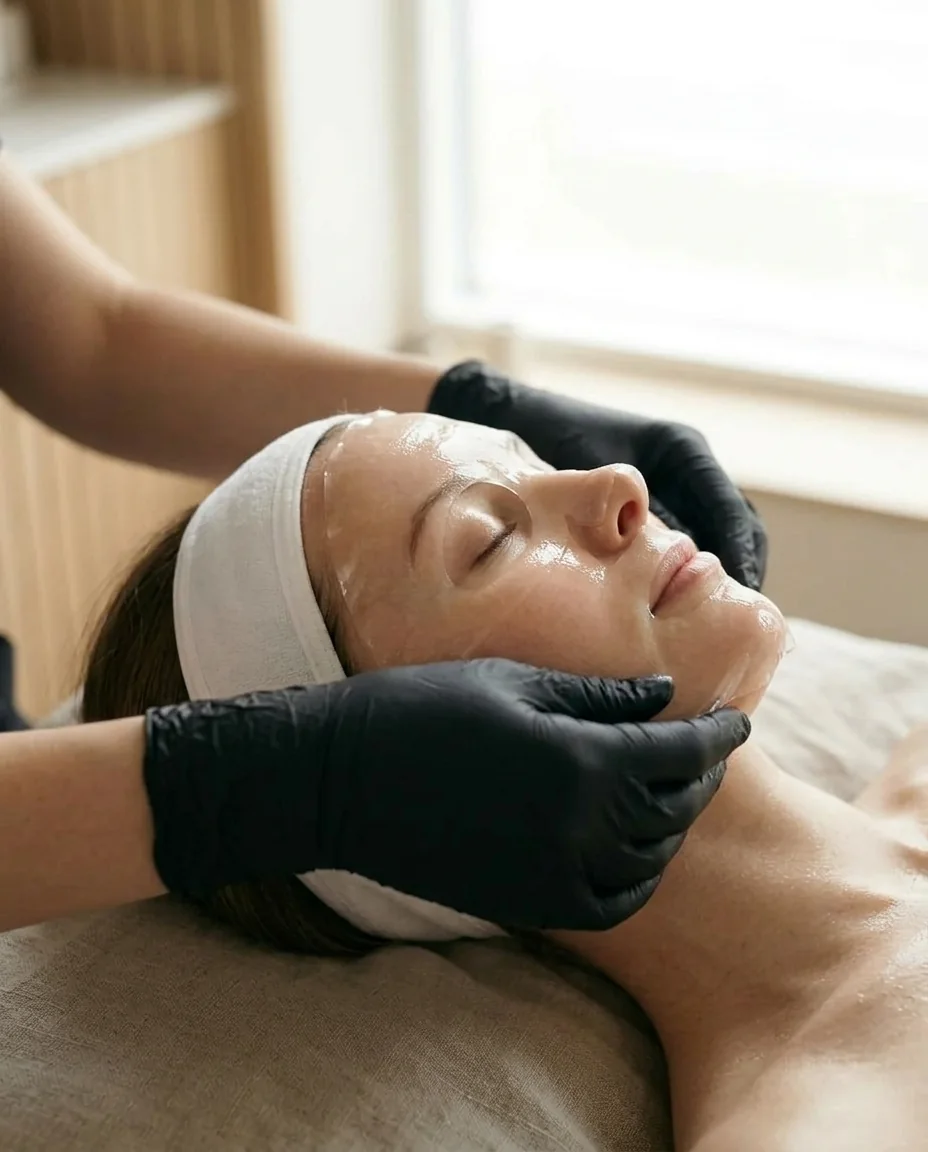
A deeply hydrating GIGI facial for dry, tight and tired skin. Gentle exfoliation and professional hydrating products bring back softness.
105 €90 min
 Book a visit
SKINIQUE JOURNAL · GIGI · 2 min read
Does your skin feel tight even though your T-zone shines? Skin can be oily and dehydrated at the same time. We explain the difference, why Finnish winters dry the skin and how to treat it at home and in the studio.
Skinique editorial
Dry skin is a skin type: it naturally produces little oil, so it lacks protective lipids. Dehydrated skin is a condition: it lacks water, and any skin type can have it – including oily skin.
The difference matters because they're treated differently. Dry skin needs nourishing, lipid-rich products. Dehydrated skin needs moisture-binding ingredients and a stronger barrier. Many people use the wrong kind of cream – and wonder why their skin doesn't improve.
Tap the parts of the picture: dry surface, cleansing with water, and smooth skin as the goal.
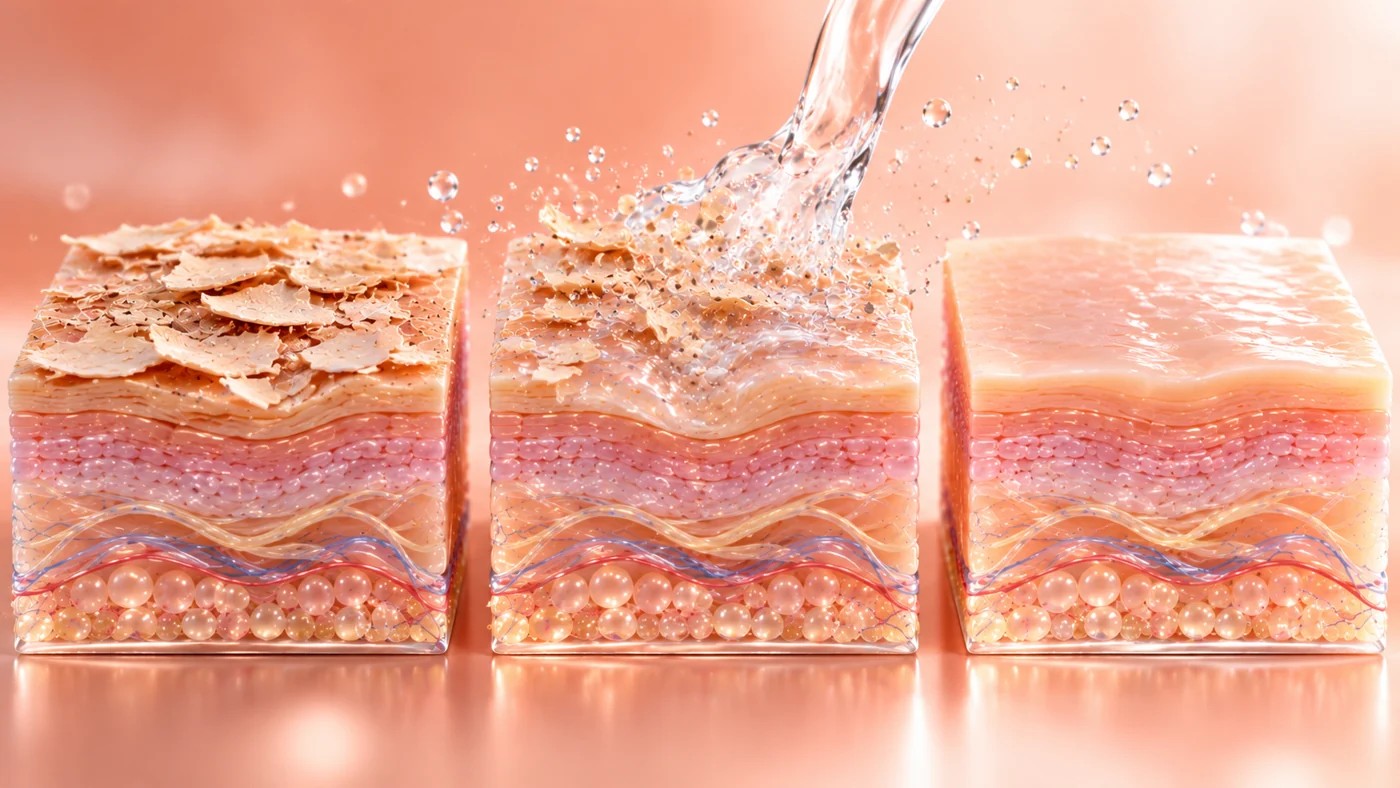
Flakes on the surface and a dry feeling. Causes vary: weather, washing habits, indoor heating.
Water and gentle care rinse away loosened particles. Rubbing hard only adds irritation.
The goal is comfort and an even surface. A consultation shows which care suits you.
Simplified illustration made for explanation. It does not show a specific device and does not promise a result.
Signs of dry skin:
Signs of dehydrated skin:
If you recognise something from both lists, you're not alone – many people have both. A cosmetologist can see the difference on the skin's surface at the start of a visit.
Imagine the outer layer as a network of cells with lipids between them.
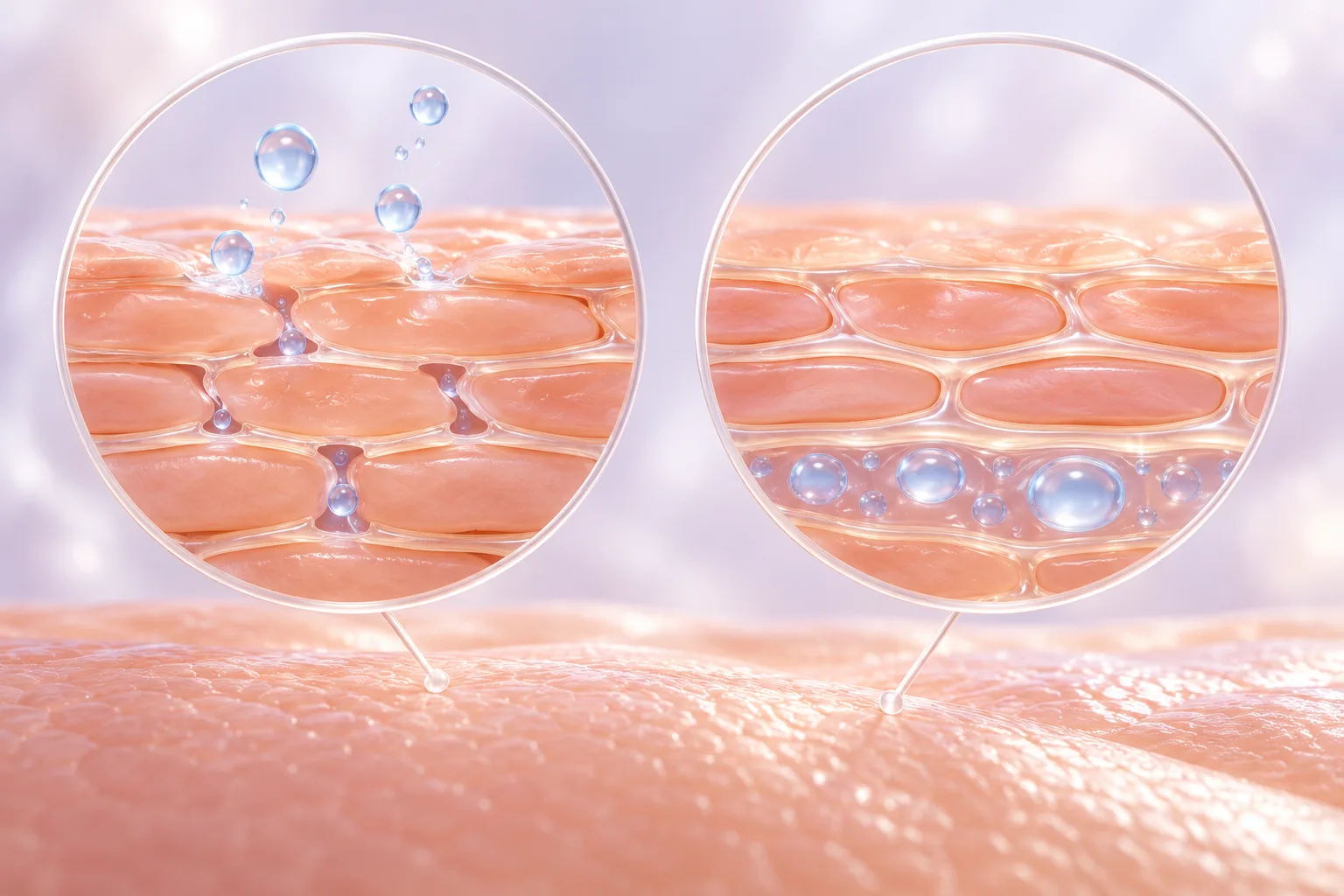
Irritation and tightness are signs that your routine needs a review. When the barrier is weak, moisture escapes from the skin more easily.
Suitable cleansing and moisturising help the skin hold on to moisture and feel comfortable.
Finland's climate is demanding for skin. In winter, frost and wind strain the skin outdoors, and dry indoor heating draws moisture out. Sauna, hot showers and strong cleansers strip the skin's own lipids. Acids and retinoids can dry the skin too if used too often.
In summer, sun and wind dry the skin. So hydration needs change with the seasons, and the same cream may not work in January and July.
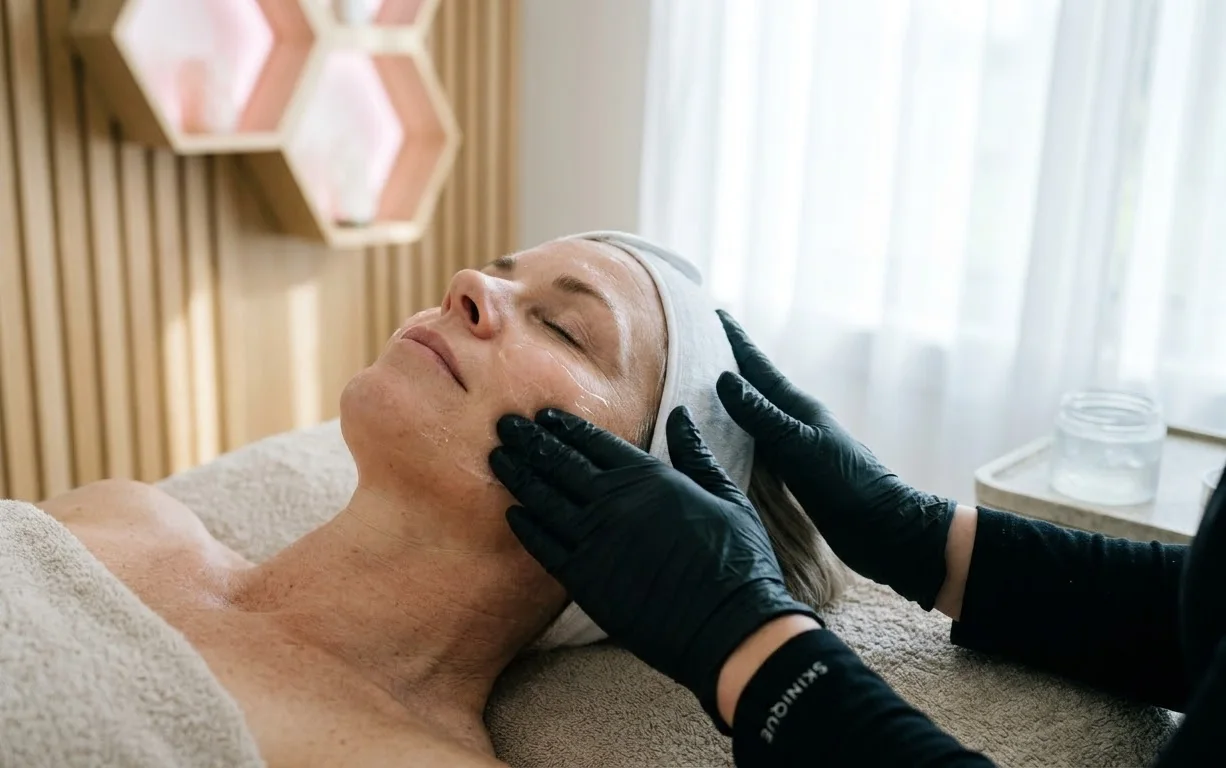
In a professional treatment the skin is cleansed and gently exfoliated so hydrating ingredients absorb better. Skinique offers two hydrating facials:
If your skin is also sensitised, GIGI Bioplasma supports its balance. For a series, see the Restore programme. Hydration can be boosted with LED light therapy.
If the skin is red, itchy, cracked or flakes in patches, it may be a skin condition such as atopic eczema, rosacea or seborrhoeic dermatitis. Then it's worth seeing a doctor before cosmetic treatments. A cosmetologist will tell you if she notices signs worth checking.
How the GIGI line is matched to dry, sensitive or blemish-prone skin is explained in choosing a GIGI facial.
A deeply hydrating GIGI facial for dry, tight and tired skin. Gentle exfoliation and professional hydrating products bring back softness.
105 €90 min
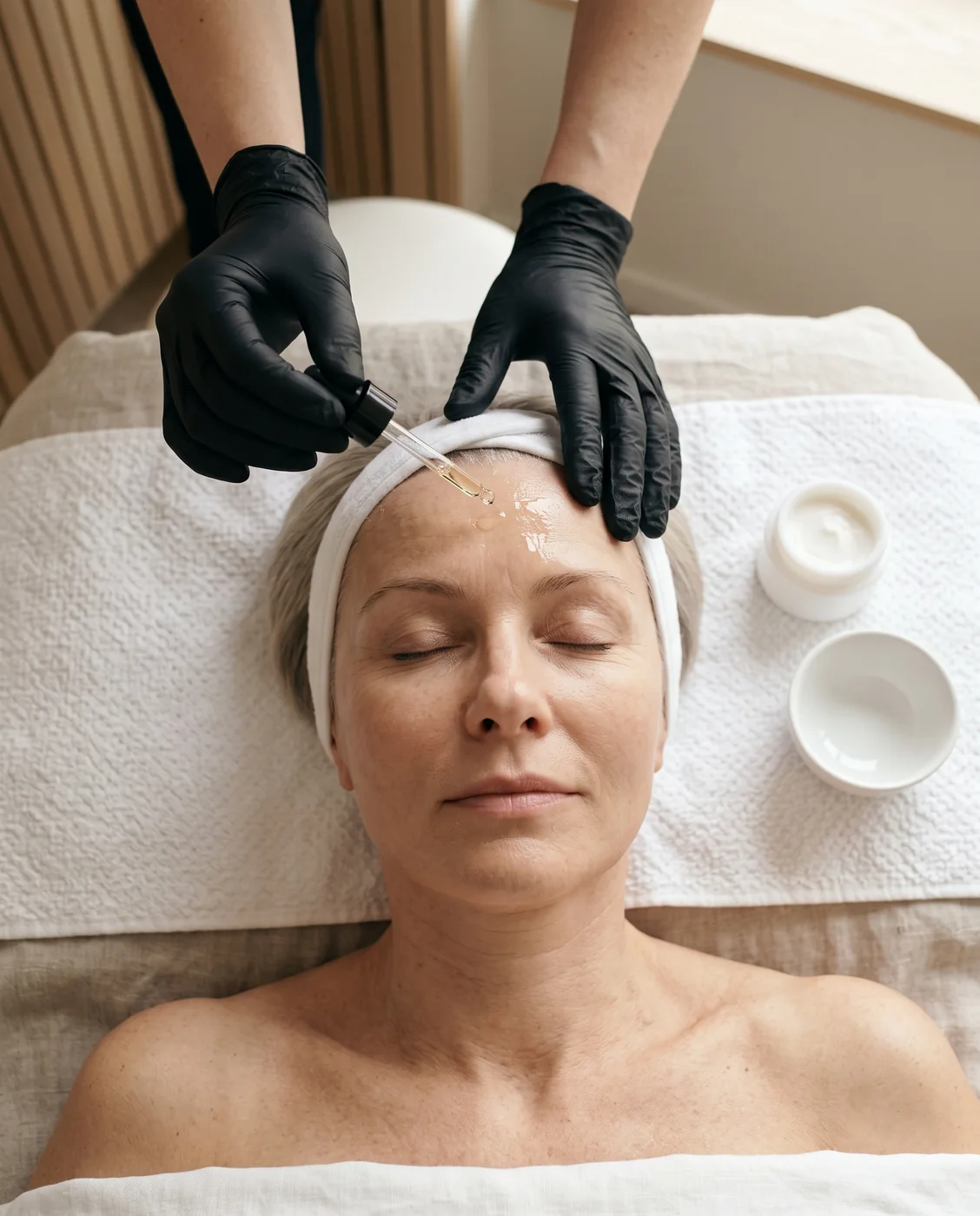
GIGI Age Reverse is a 90-minute anti-age facial for mature skin. GIGI New Age G4 products, a face massage and a mask – skin looks more rested and feels better hydrated.
120 €90 min
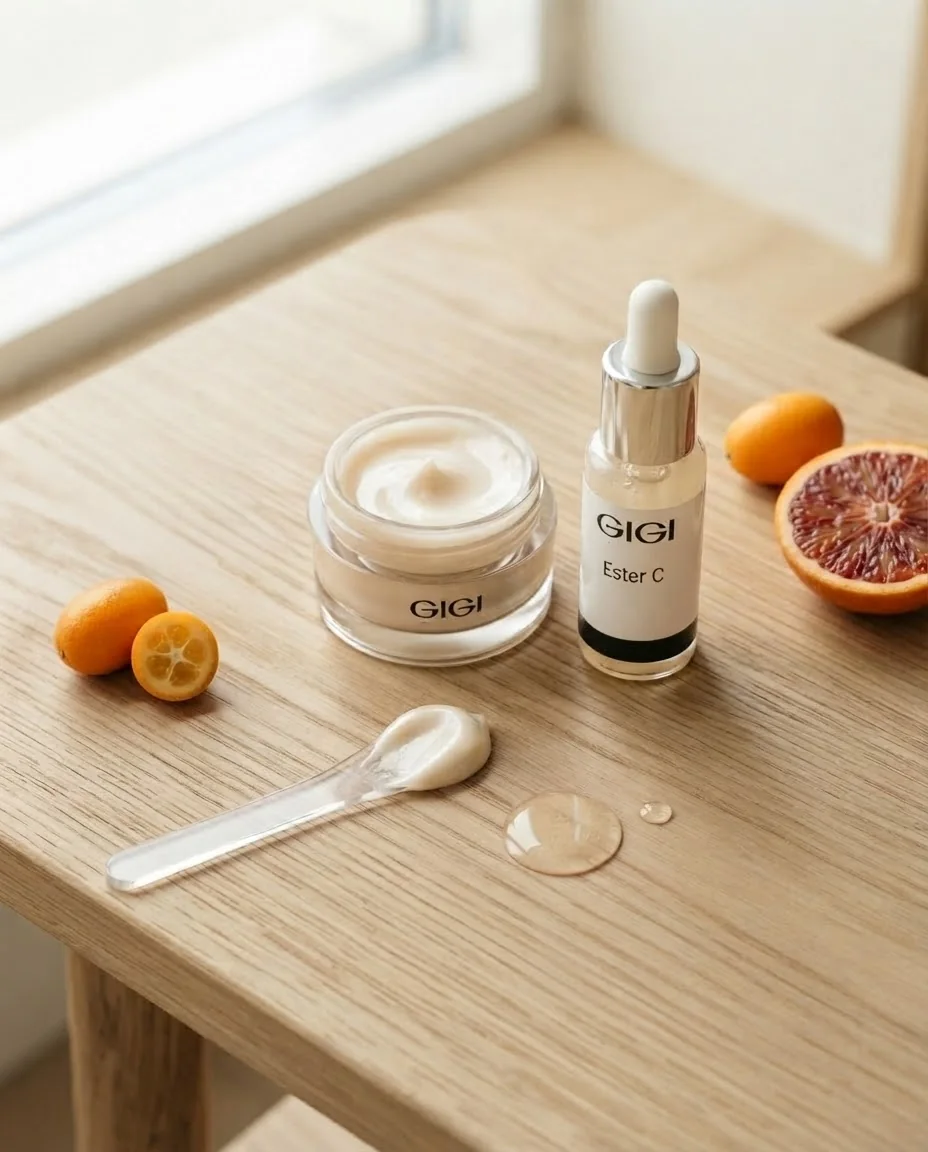
A vitamin C facial with GIGI Ester C: brightens dull skin, evens out tone and brings back a natural glow.
95 €90 min
GIGI
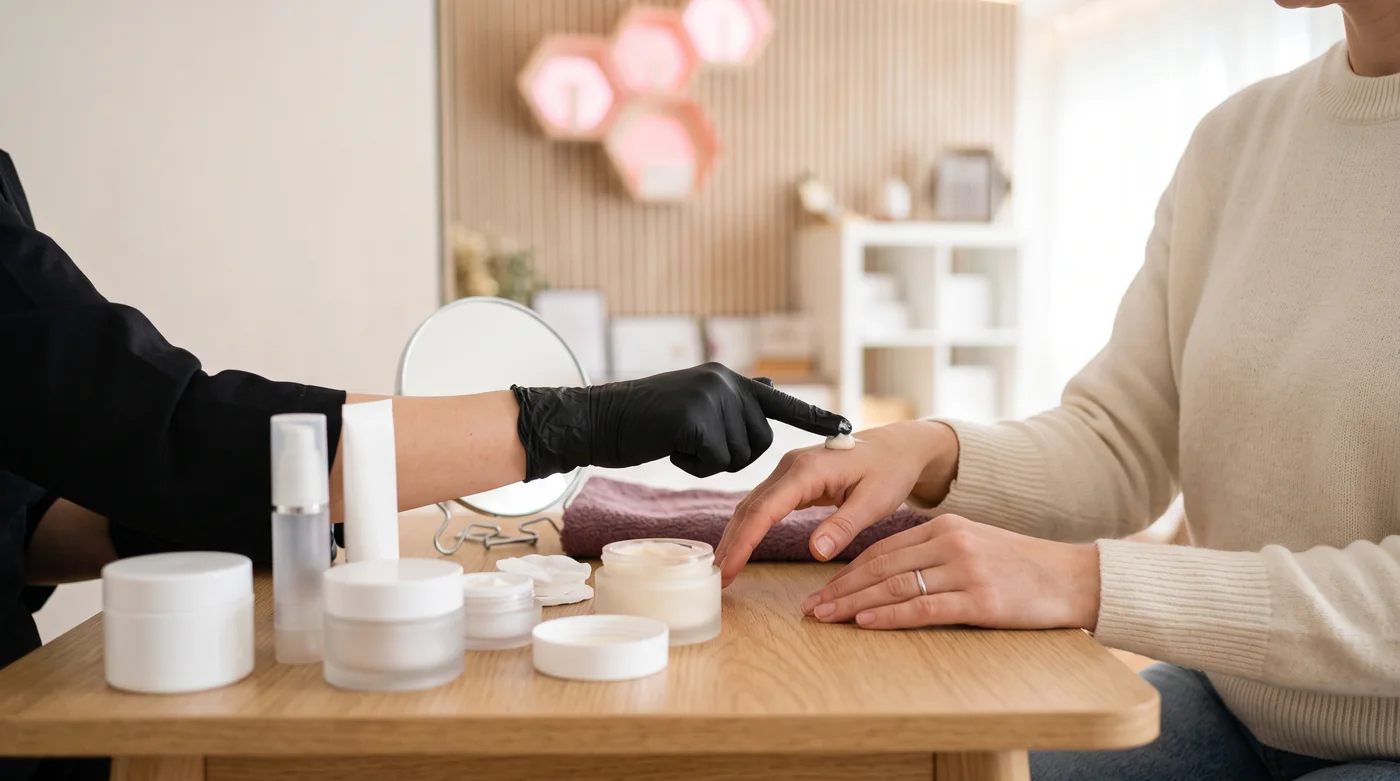
Skinique mainly uses the Israeli professional brand GIGI Laboratories. We explain what the lines do, how they differ and how to find the GIGI facial that suits your skin.

Mature skin
Hydration, firming, renewal – or all of them? We compare treatments for mature skin clearly: what each does, who it suits and how to build a sensible plan.

Studio
A first facial or cosmetologist visit can feel nerve-wracking. Here's what happens, how to choose the right treatment and what to mention in advance.
Tell us what's on your mind. Deniza will help you choose a suitable treatment before you book.
Hi! Can I help?

Deni answers with ready-made answers from the website and gives no medical advice. Questions are saved without your name to improve the answers – please do not write personal data in the chat.
We use analytics (Google Analytics and Microsoft Clarity) to see how the site is used and to improve it. They are turned on only if you accept. You can change your choice any time at the bottom of the page. Privacy policy