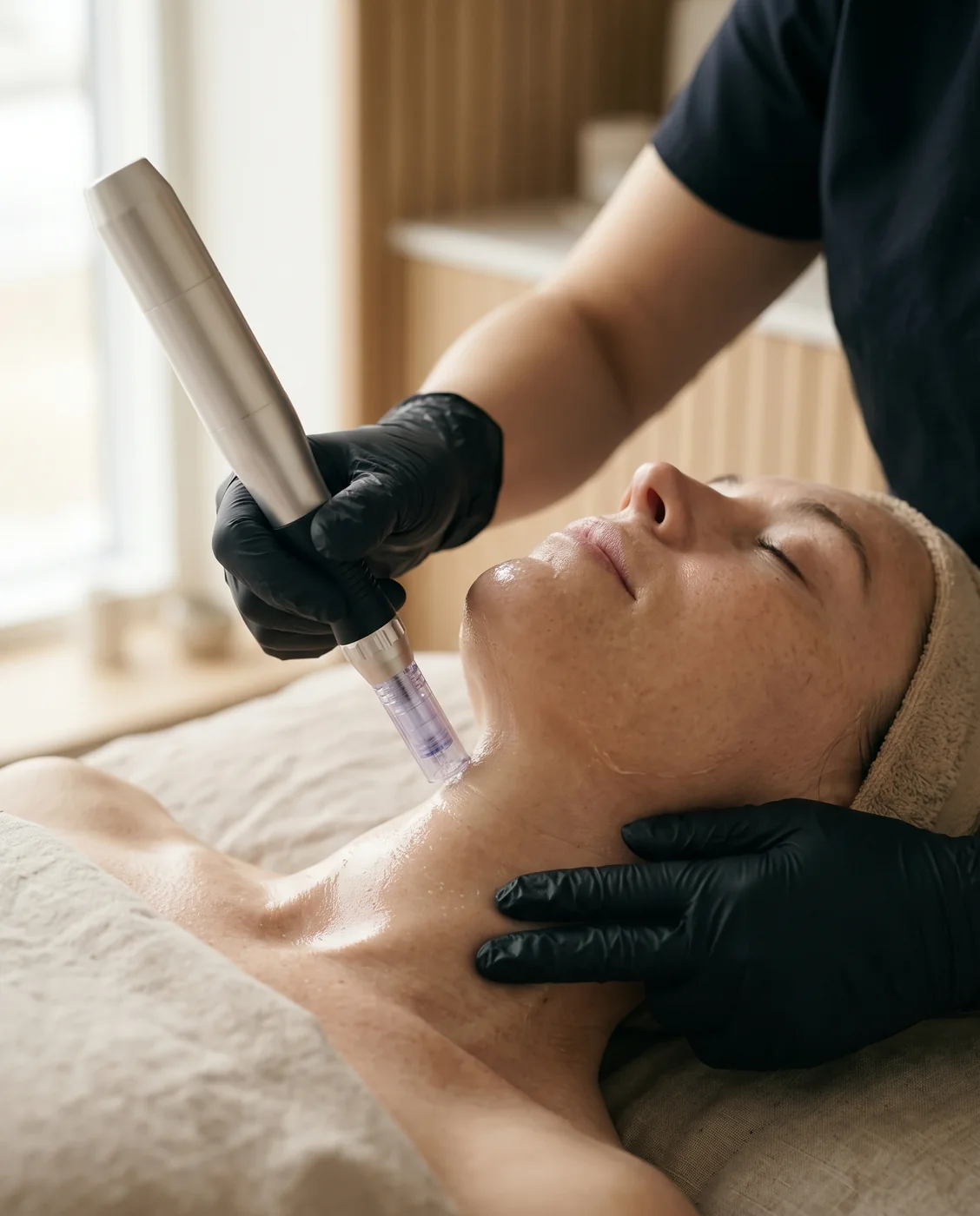
Microneedling: Face, Neck & Décolleté
Our most extensive microneedling: face, neck and décolleté in one visit. An even result across the areas where age and sun show first.
129 €60 min
 Book a visit
SKINIQUE JOURNAL · Microneedling · 2 min read
Microneedling is one of the most effective ways to improve skin texture. We explain clearly what happens in the treatment, who it suits, how the skin recovers day by day and how many treatments you need.
Skinique editorial
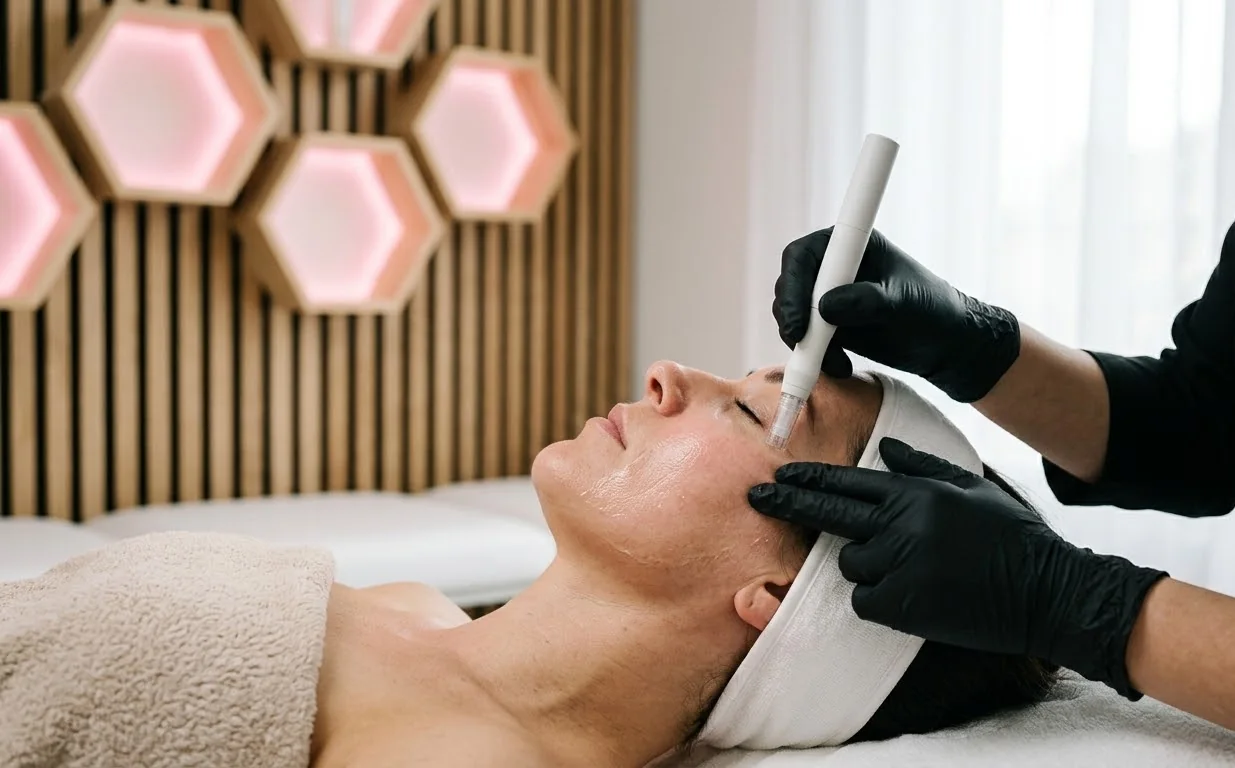
Skin knows how to repair itself. A small, controlled stimulus prompts it to produce new collagen and elastin. Microneedling uses this in a controlled way: a small electric device creates thousands of tiny micro-channels that aren't wounds, but are enough to trigger renewal.
We always check suitability before the treatment.
Microneedling in three steps: assessment, treatment and recovery.
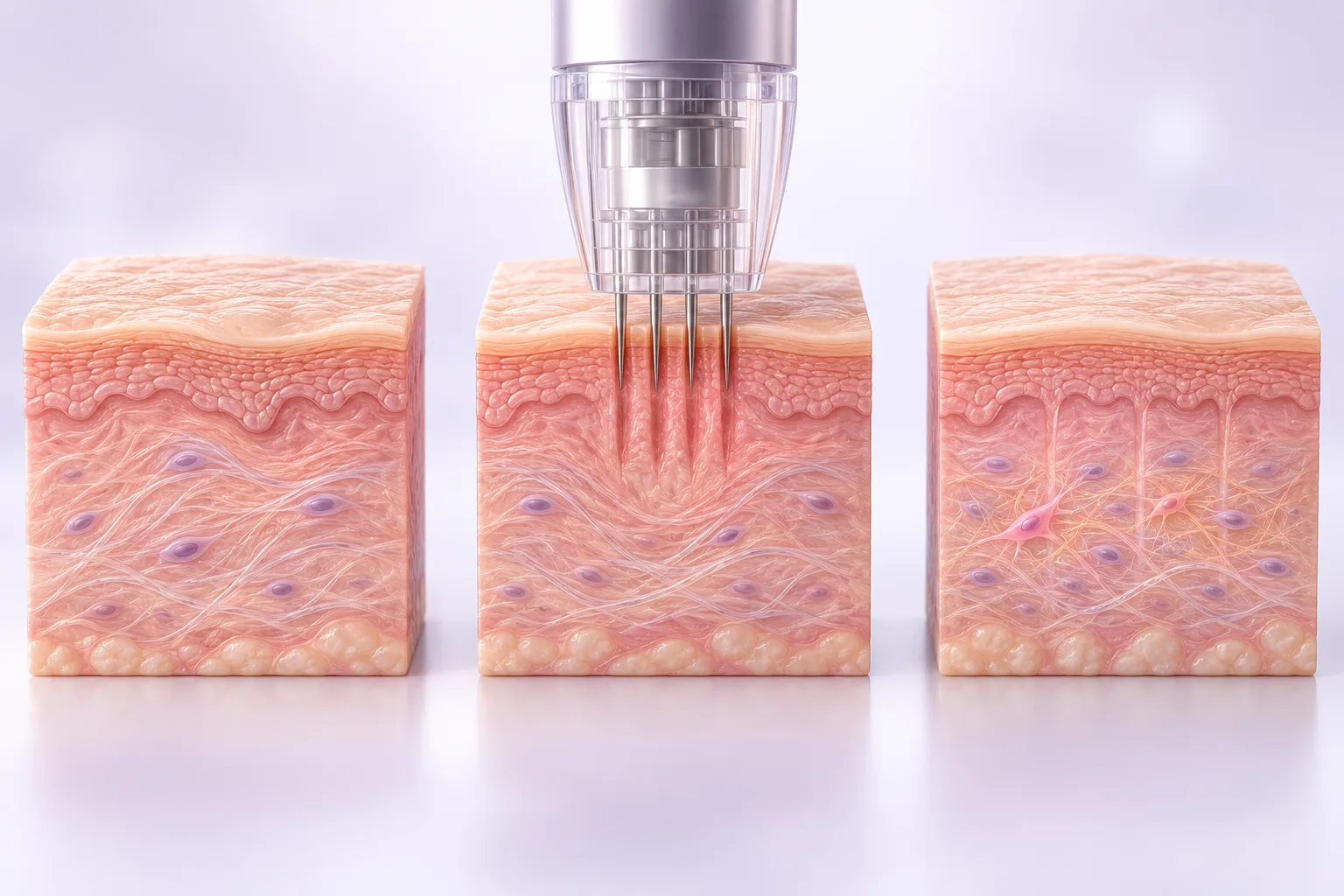
First we assess your skin, your goal and whether the treatment suits you. The intensity is chosen for your skin, not by age.
The device makes controlled micro-punctures in the skin. The depth is chosen for the area and your skin.
The skin starts to recover right after the treatment. Recovery is individual, and you get home-care instructions at the end of the visit.
Tap each part of the picture: left is the starting surface, middle the method itself, right the goal of the course.
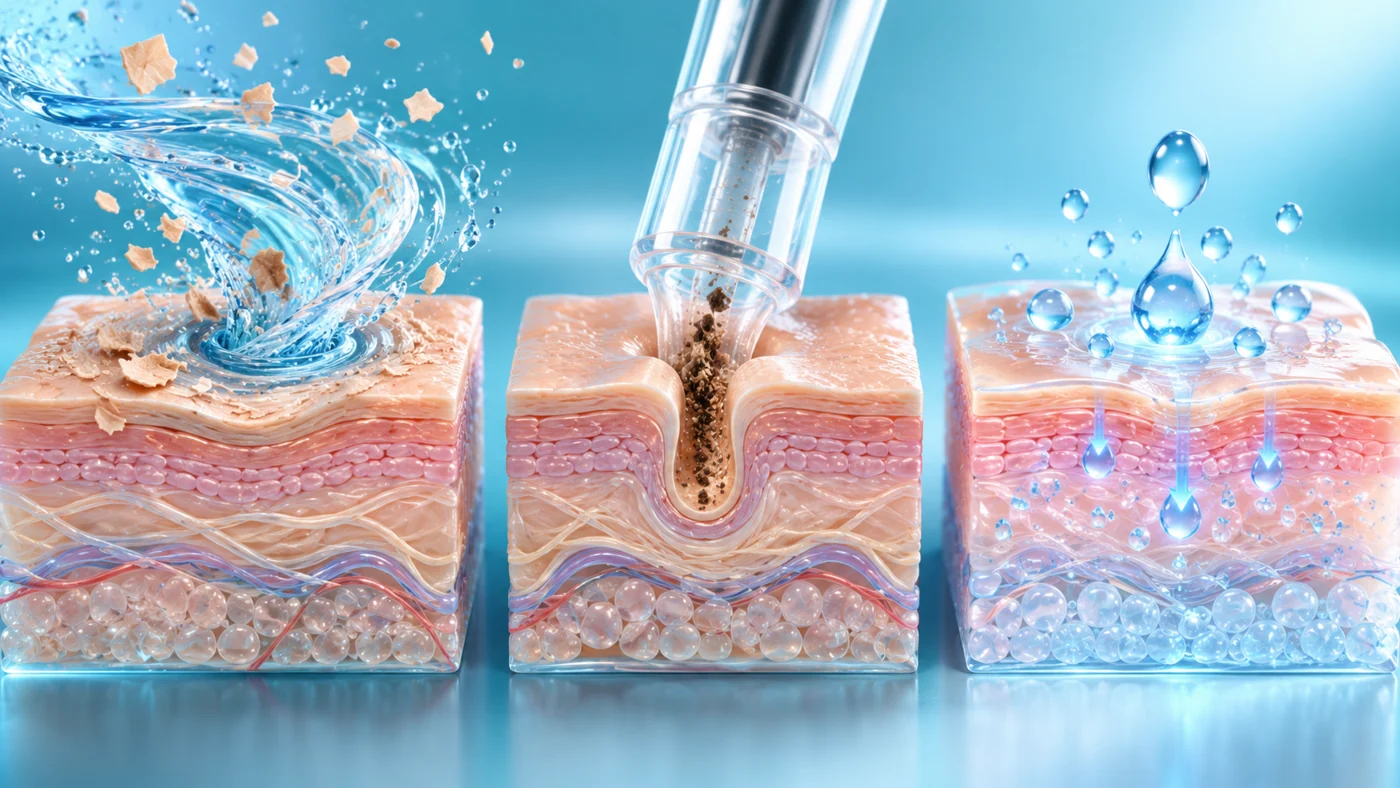
Dead skin cells and uneven texture make the skin look dull and rough. This is a general picture, not a diagnosis.
The pen makes controlled micro-punctures that start skin renewal. Depth and number are chosen by the specialist.
The goal of the course is a smoother surface. The result builds gradually; the cosmetologist plans the course and timing.
Simplified illustration made for explanation. It does not show a specific device and does not promise a result.
The treatment feels like light prickling or vibration, and the forehead, upper lip and bridge of the nose are usually the most sensitive. Needle depth is set separately for each area.
Afterwards the skin feels warm and tight, a bit like after mild sunburn.
The treatment is not done during pregnancy or if you have cold sores, an infection or a damaged skin barrier. After acne medication (for example isotretinoin) you need to wait 6 months.
Botox and fillers: 2–3 weeks before or after. With diabetes the treatment is not recommended, and if you take blood-thinning medication, talk to your doctor first.
We always check in advance whether the treatment suits you.
Imagine the outer layer as a network of cells with lipids between them.
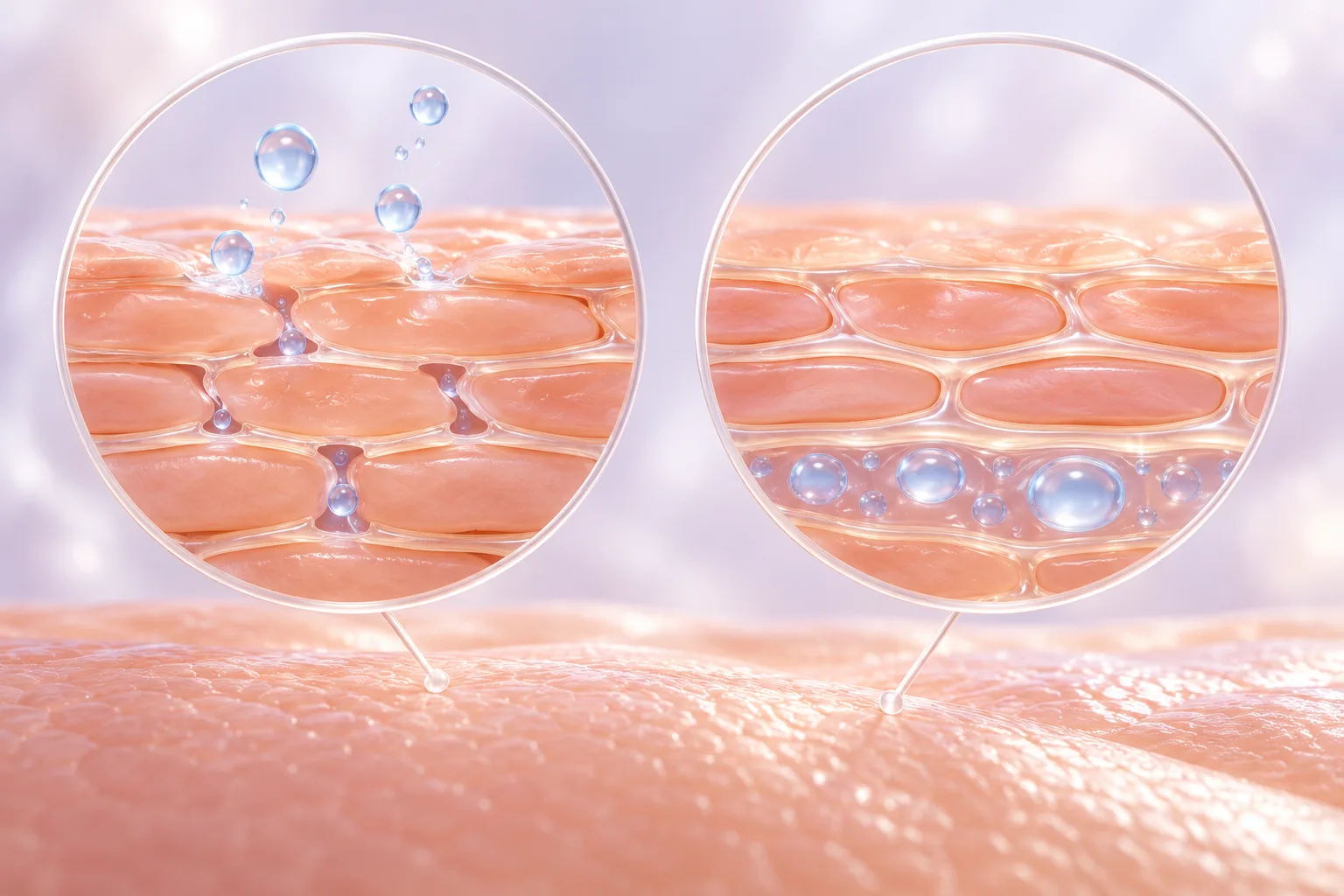
Irritation and tightness are signs that your routine needs a review. When the barrier is weak, moisture escapes from the skin more easily.
Suitable cleansing and moisturising help the skin hold on to moisture and feel comfortable.
Course visits are usually 3–5 weeks apart. Acne scars, other scars and marked signs of ageing may need more than three treatments. We judge the result once the skin has recovered, not straight after the session. For a series there is the microneedling course of 3 visits, which costs less than single treatments.
Options at Skinique:
All three treat the skin in different ways. Microneedling works on texture and scars, RF works without needles, and BioRePeel works on the surface.
The treatments also complement each other, and LED light therapy can be an add-on. More in RF and skin firmness and LED as an add-on.
The best season for microneedling is autumn to spring, when it's easy to avoid the sun.
Our most extensive microneedling: face, neck and décolleté in one visit. An even result across the areas where age and sun show first.
129 €60 min
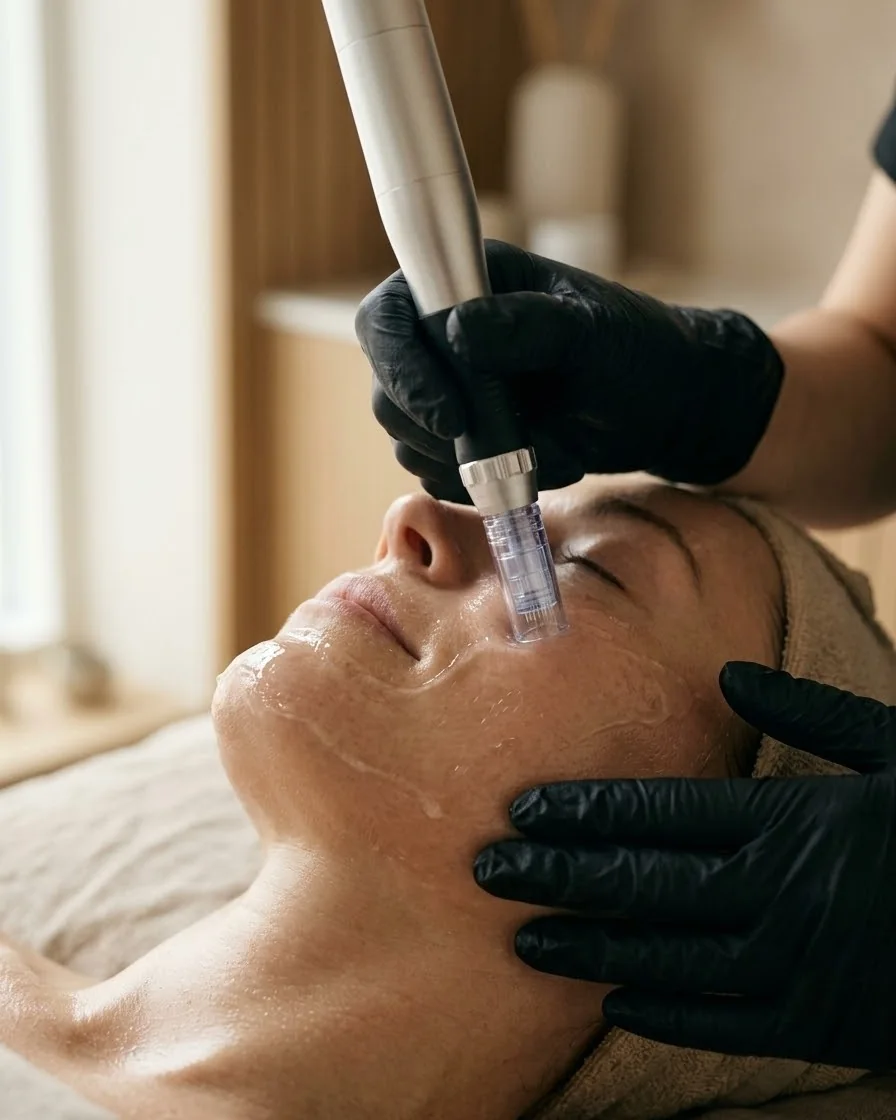
Microneedling in Matinkylä: sterile single-use needles, depth chosen for each area, serums and written aftercare.
110 €60 min
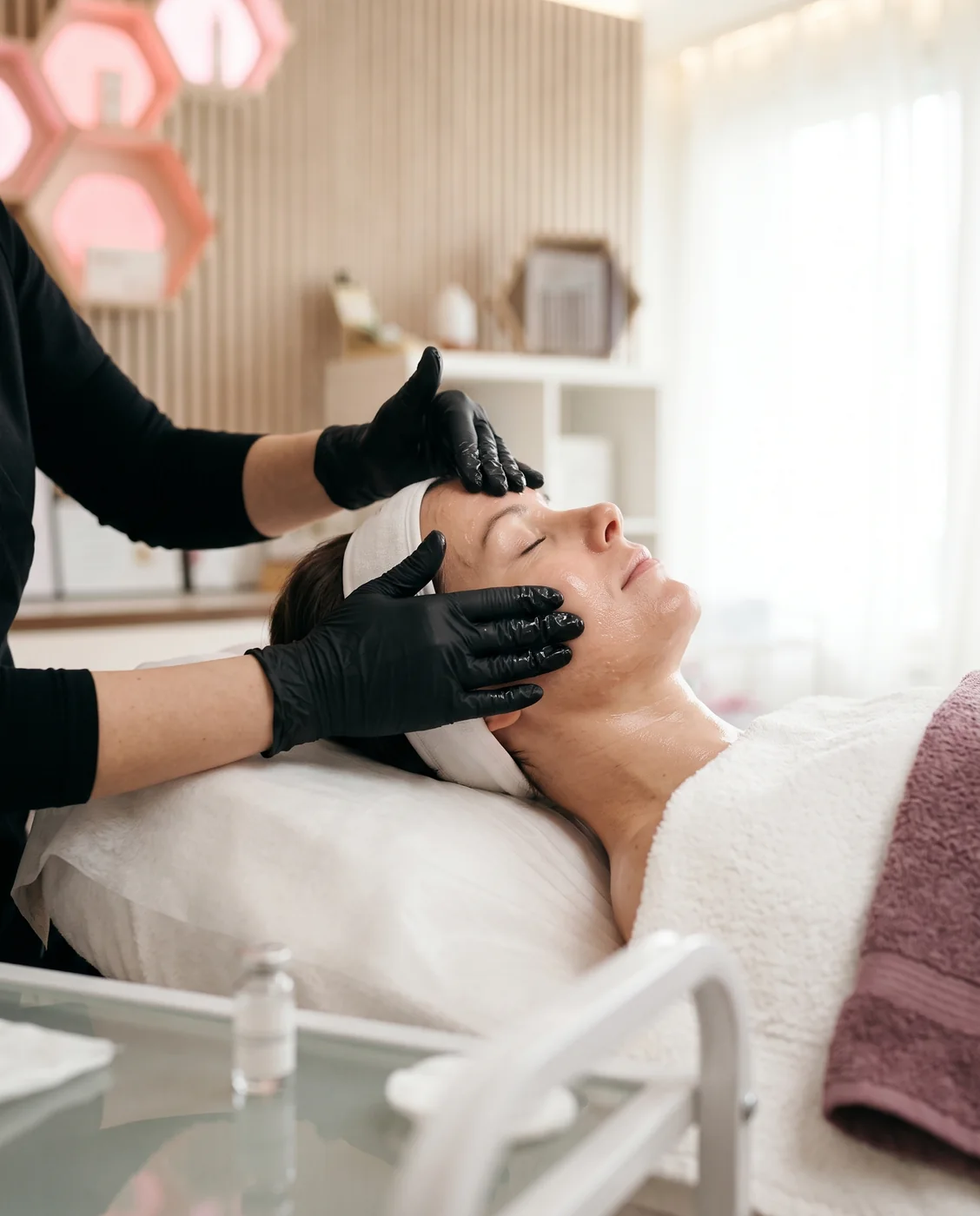
Microneedling and a BioRePeel in one visit: an effective combination for texture, pores and post-acne marks.
139 €75 min
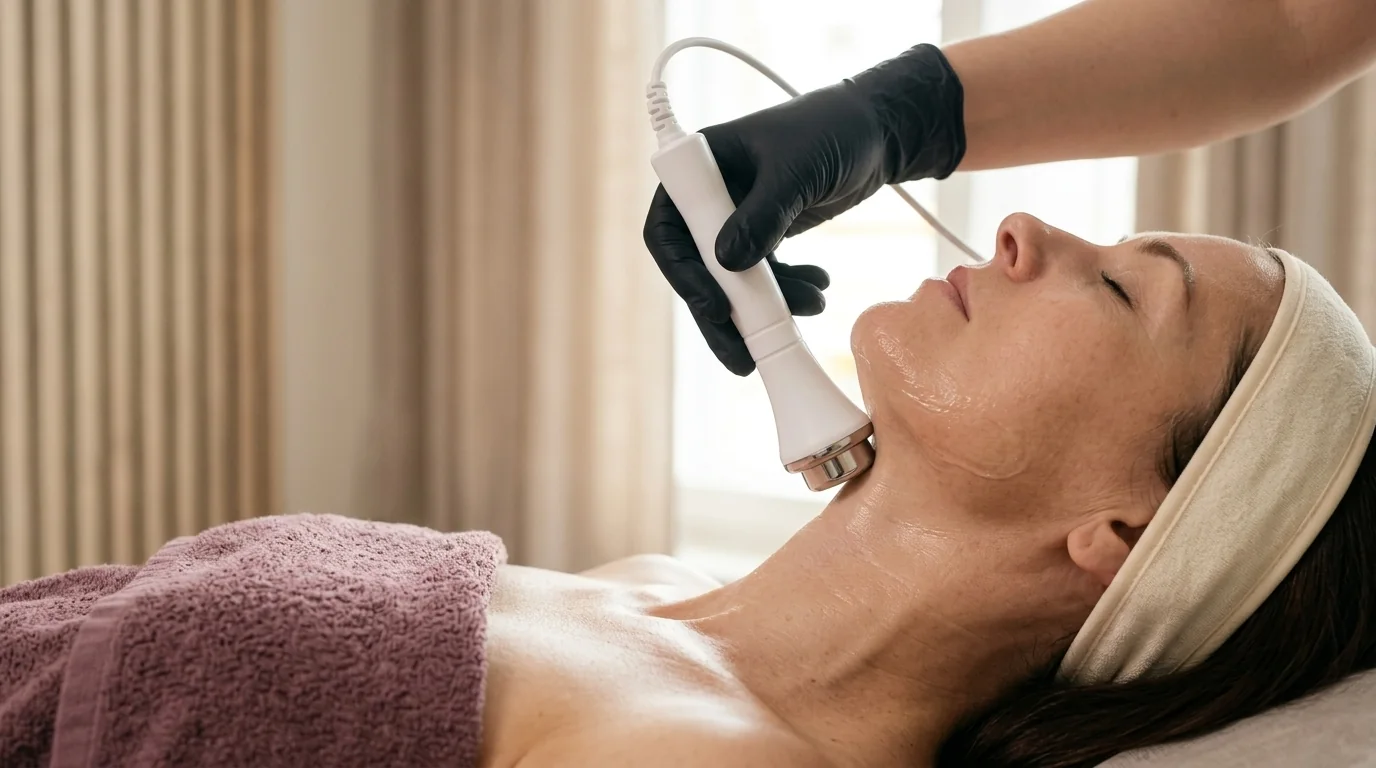
RF care
RF (radiofrequency) is a popular way to firm the skin without needles. We explain how heat affects collagen, who it suits, how many sessions you need and how it works for face and body.
Mature skin
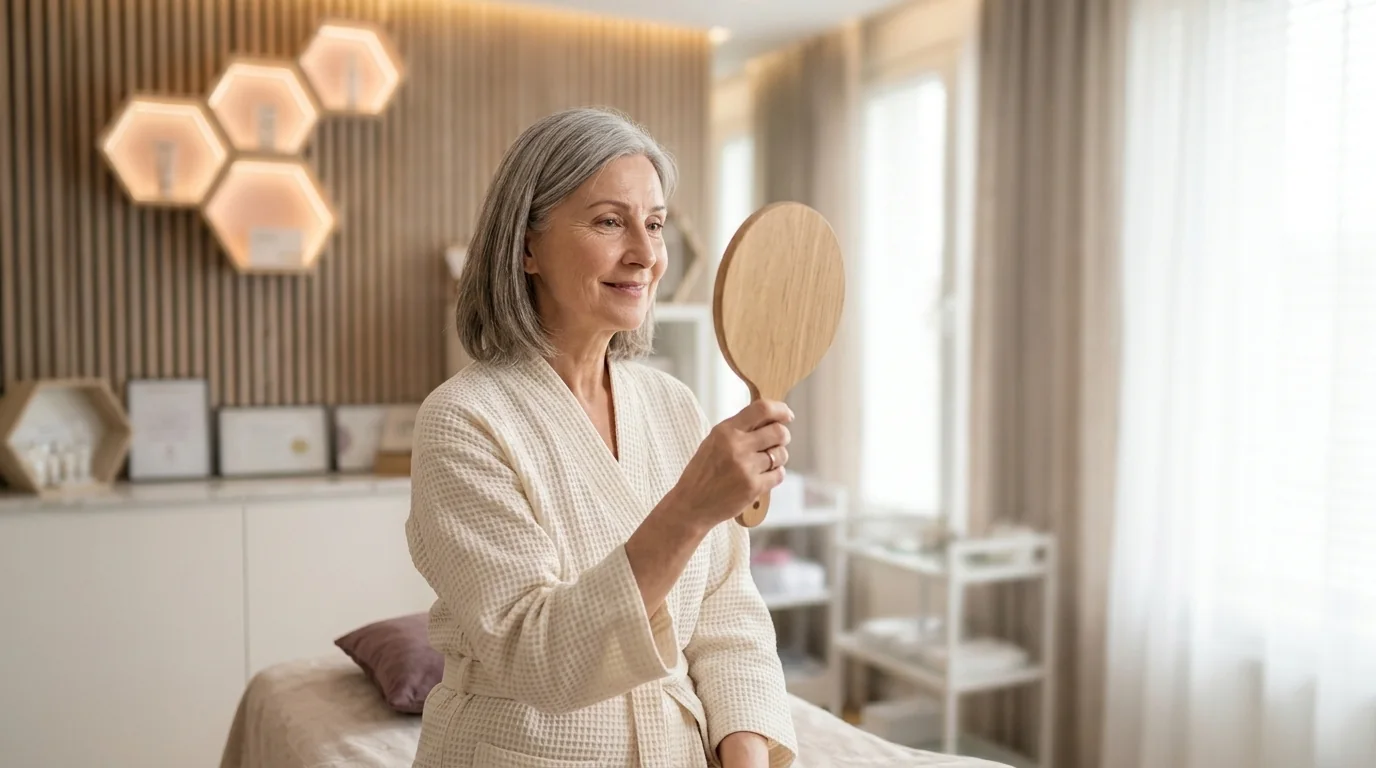
Hydration, firming, renewal – or all of them? We compare treatments for mature skin clearly: what each does, who it suits and how to build a sensible plan.
Dermalux
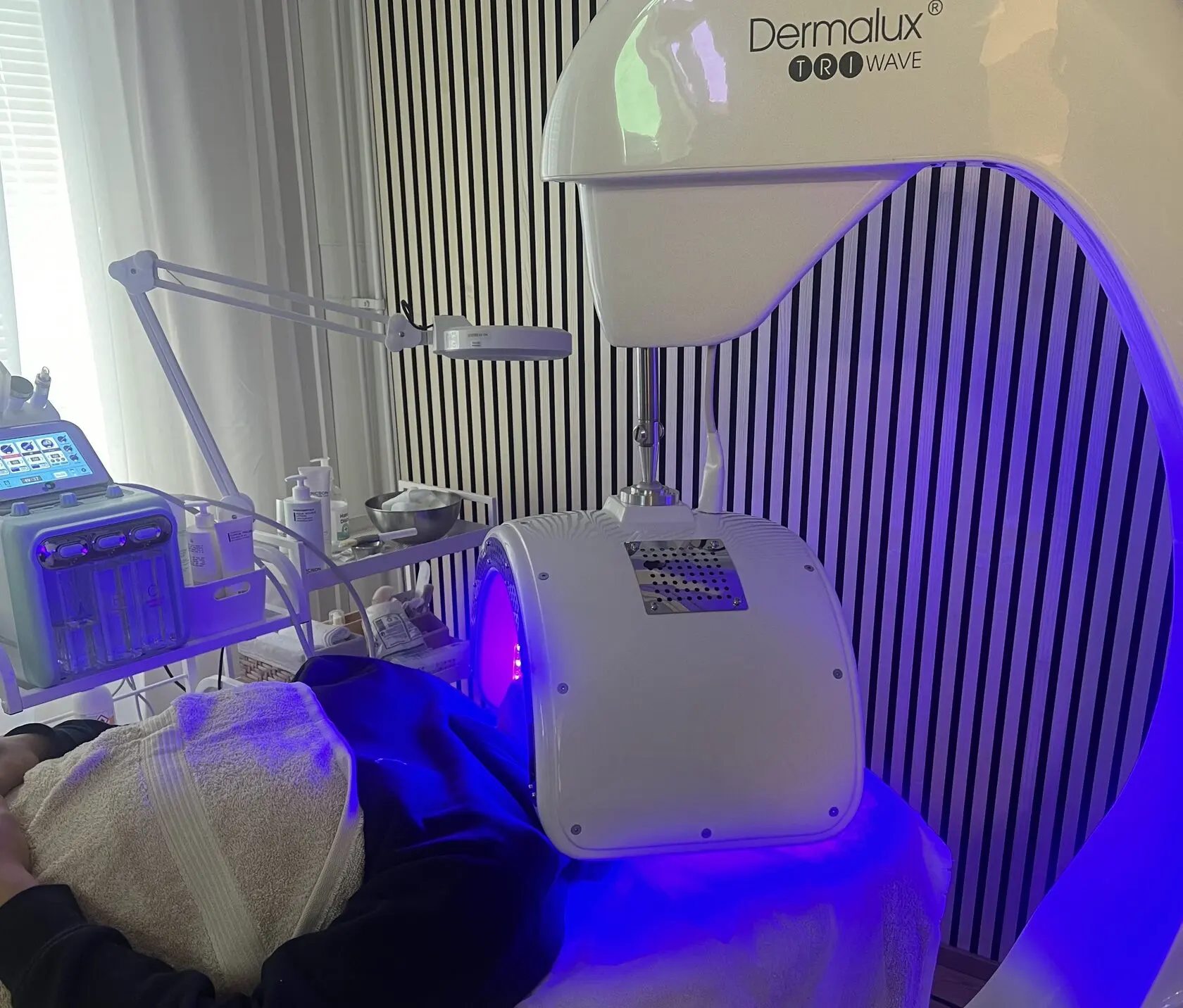
15 minutes of LED can make a good facial even better – but not always. Here's which treatments LED works best with, and why.
Tell us what's on your mind. Deniza will help you choose a suitable treatment before you book.
Hi! Can I help?

Deni answers with ready-made answers from the website and gives no medical advice. Questions are saved without your name to improve the answers – please do not write personal data in the chat.
We use analytics (Google Analytics and Microsoft Clarity) to see how the site is used and to improve it. They are turned on only if you accept. You can change your choice any time at the bottom of the page. Privacy policy