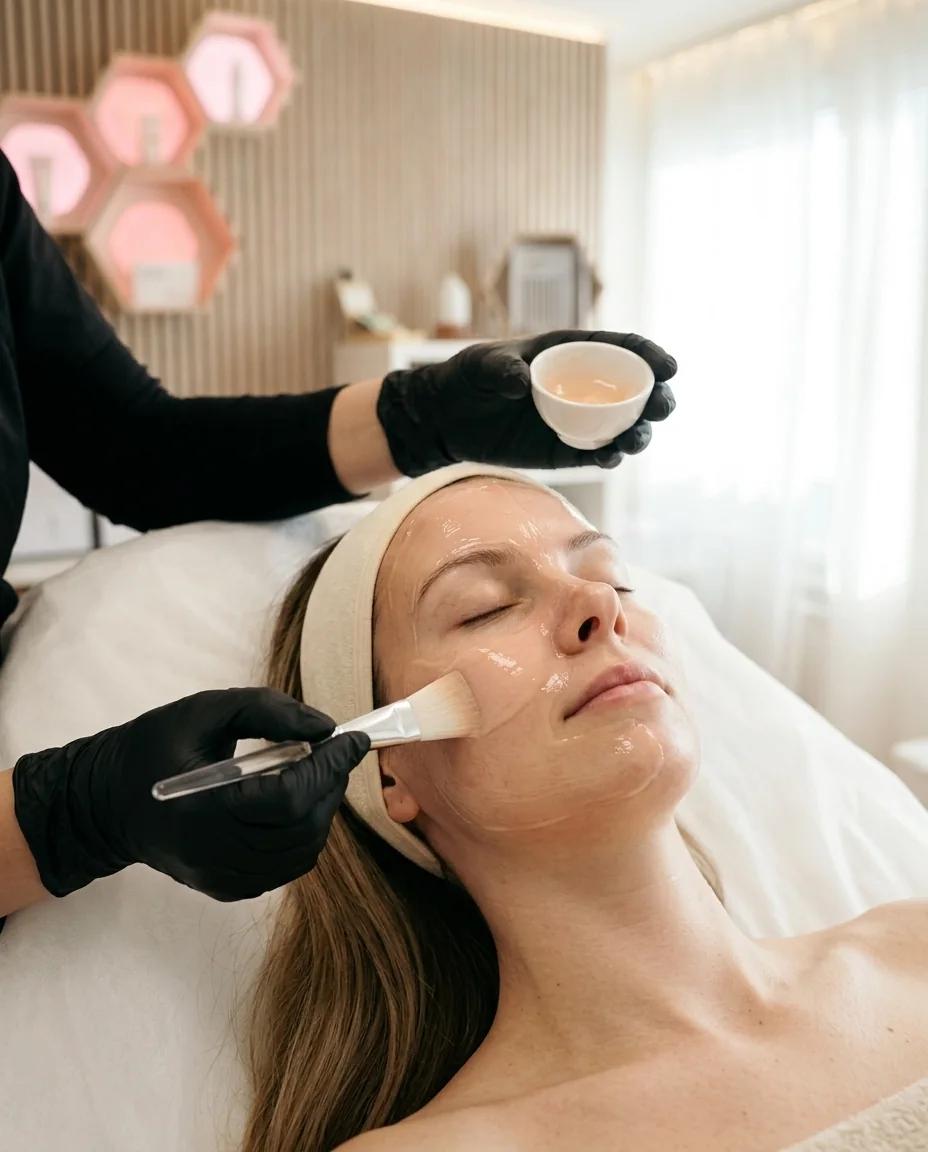
GIGI Bioplasma Repair New
A GIGI Bioplasma facial that supports the skin's renewal and balance. A good choice when skin is stressed, tired or recovering.
105 €75 min
 Book a visit
SKINIQUE JOURNAL · Guides and comparisons · 4 min read
Exfoliating acids, retinol, vitamin C and clarifying toners are powerful skincare tools—but when layered too frequently at home, your skin's natural barrier quickly becomes overwhelmed. Ironically, an over-exfoliated barrier triggers the very problems you were trying to fix: breakouts, redness and tightness. Here is how to spot a compromised skin barrier and nurse it back to health.
Skinique editorial
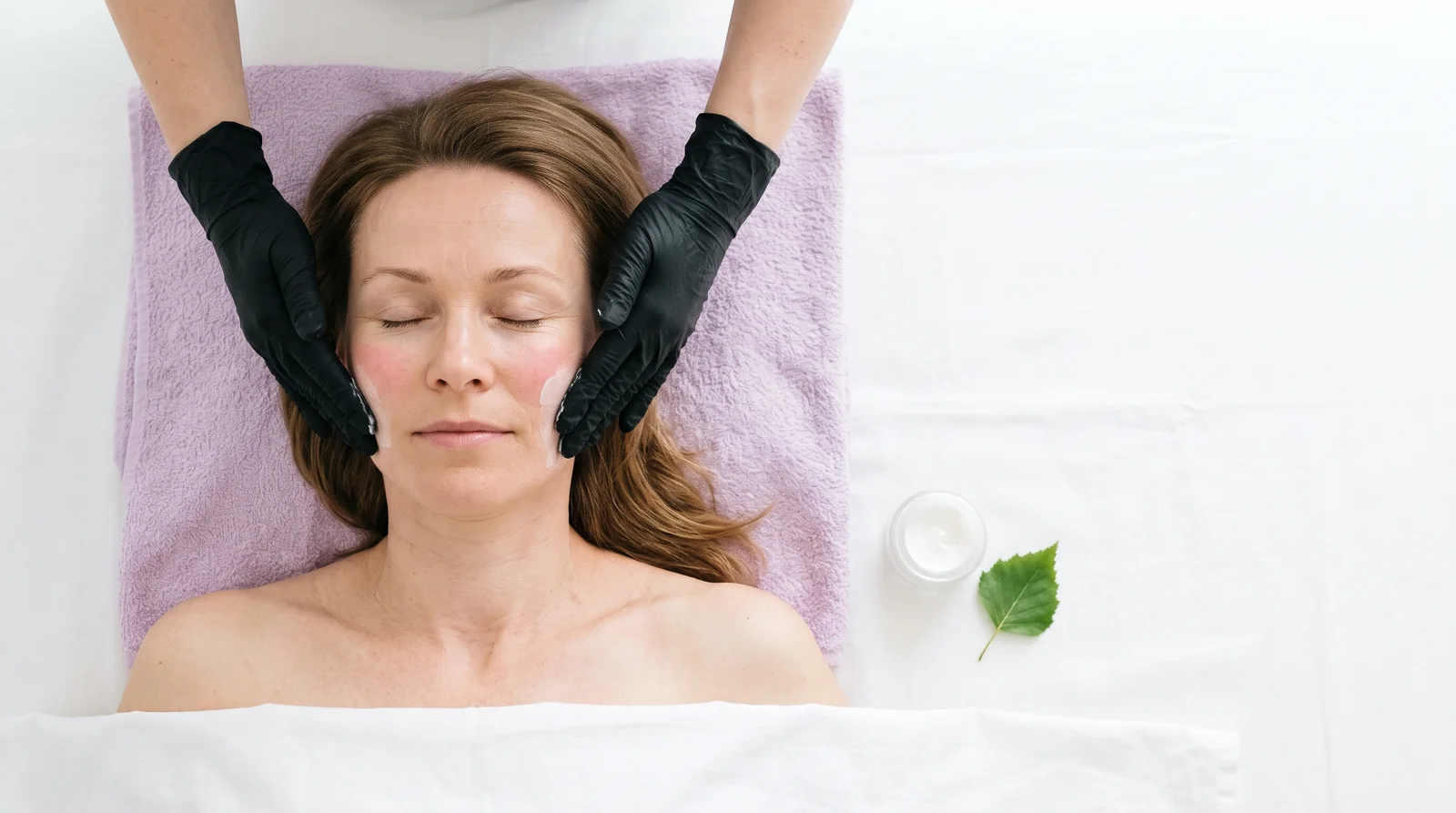
The outermost layer of your skin—the stratum corneum—is structured like a brick wall. Your corneocytes (skin cells) are the bricks, and the intercellular lipid matrix (ceramides, cholesterol and free fatty acids) is the mortar holding them together. This barrier locks hydration inside the skin while keeping irritants, bacteria and cold air out.
Over-exfoliation rarely happens from a single mask; it builds up gradually when a daily routine combines a foaming cleanser, an AHA/BHA toner, a retinoid serum and an occasional scrub. When the lipid "mortar" is stripped away faster than your skin can synthesise new lipids, transepidermal water loss (*TEWL*) spikes and the skin's protective acid mantle breaks down.
How do you tell the difference between ordinary dry skin and a damaged barrier? Watch out for these five classic signs:
Recent dermatological studies emphasise that a damaged barrier cannot be healed by water-based humectants (like hyaluronic acid) alone—if the mortar between the bricks is missing, moisture simply evaporates back into the air.
Naturally, around 50% of the skin barrier's lipid matrix consists of ceramides, alongside cholesterol and free fatty acids. Clinical research shows that barrier recovery is fastest when topical creams replenish these physiological lipids (ideally in a biomimetic 3:1:1 ratio) paired with soothing ingredients such as panthenol (vitamin B5), niacinamide and Centella Asiatica.
If your skin is showing signs of over-exfoliation, the best immediate step is to simplify everything:
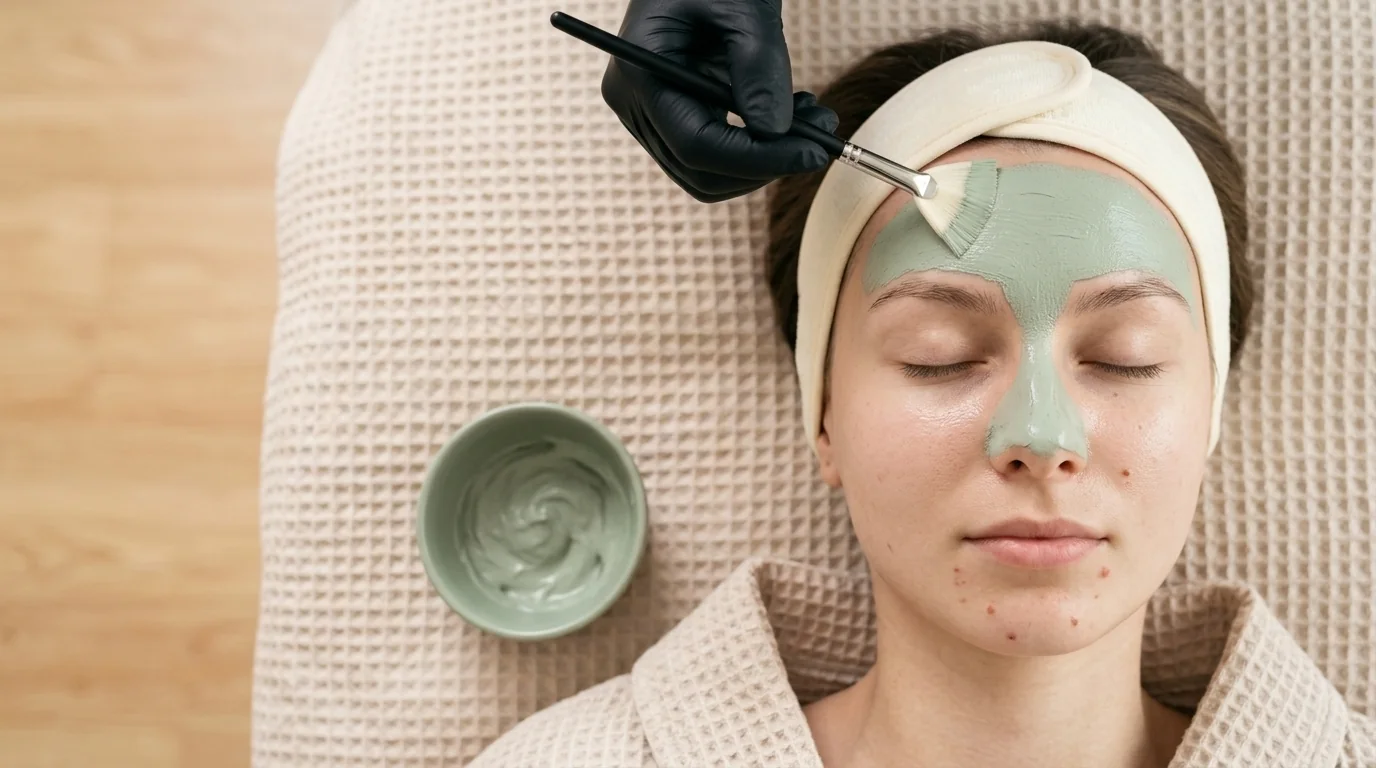
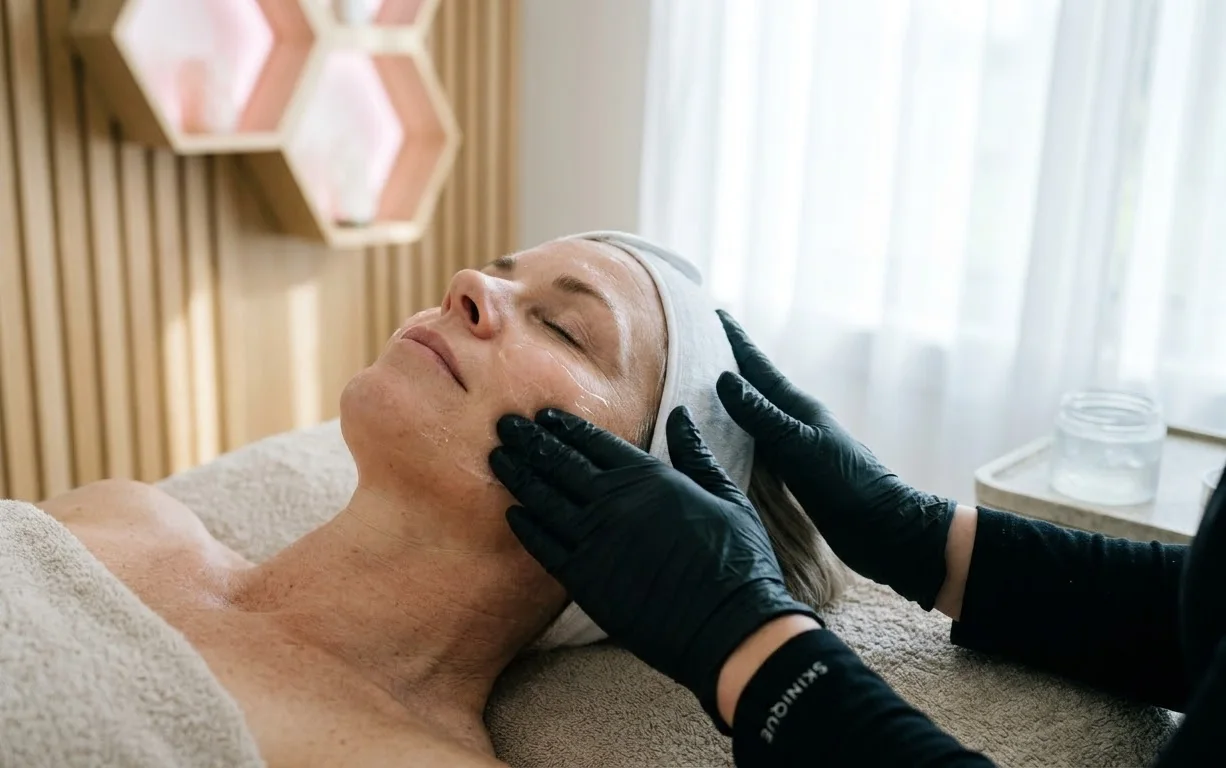
When your skin arrives at the studio feeling stressed, tight and reactive, we skip harsh exfoliation and focus entirely on barrier restoration:
Once your skin feels soft, calm and no longer stings when applying moisturiser, you can reintroduce actives slowly:
Acute stinging and tightness usually calm down within 1 to 2 weeks of stopping harsh actives. However, a full epidermal turnover cycle takes roughly 28 to 40 days, so give your skin at least a month of gentle care before testing strong acids again.
Yes—that is often the best time to come in. Bring a photo or list of the products you use at home; Deniza will help you streamline your routine while soothing your skin in the treatment room.
Does your skin feel overwhelmed and you are not sure where to start? Take our free 3-minute Skin Lab analysis or book a visit at our studio in Matinkylä, Espoo – we will help your skin find its balance again.
A GIGI Bioplasma facial that supports the skin's renewal and balance. A good choice when skin is stressed, tired or recovering.
105 €75 min
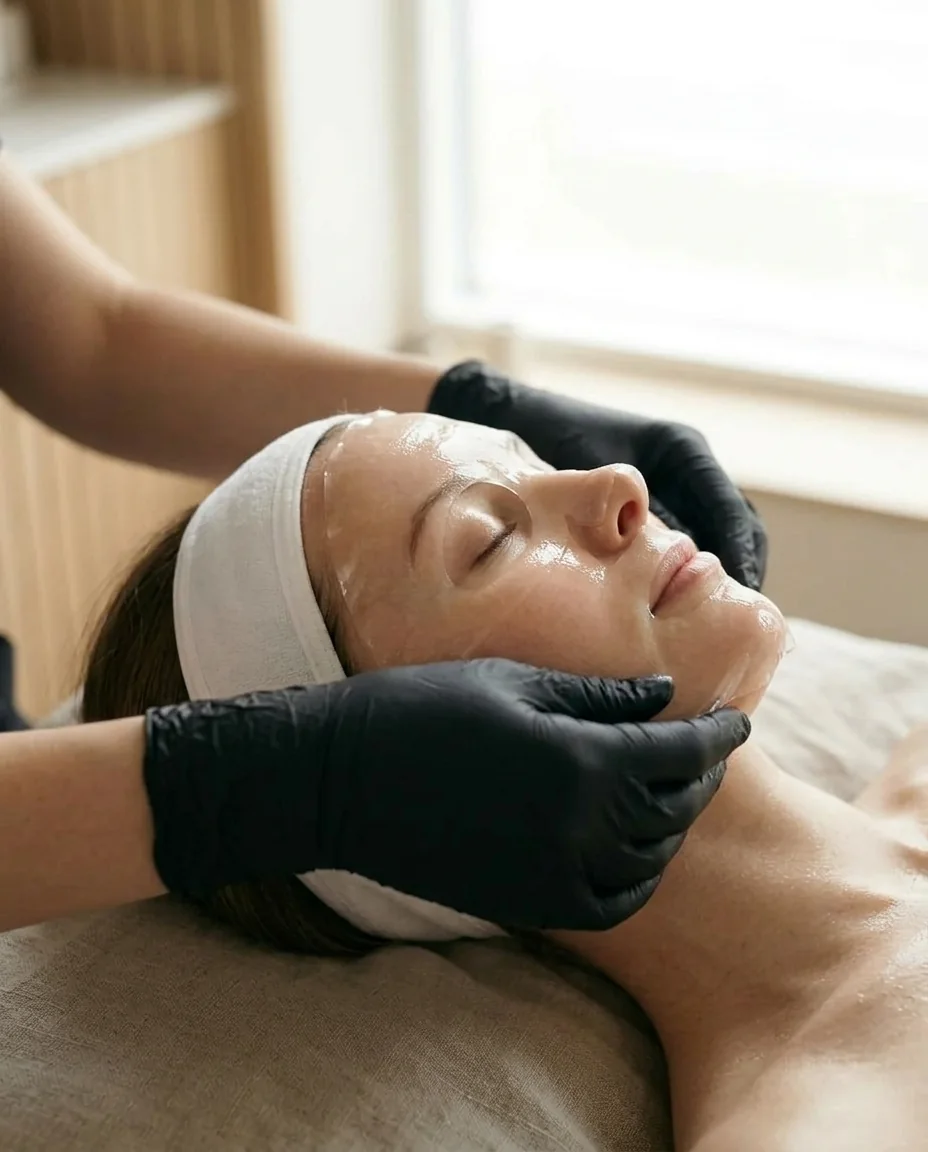
A deeply hydrating GIGI facial for dry, tight and tired skin. Gentle exfoliation and professional hydrating products bring back softness.
105 €90 min
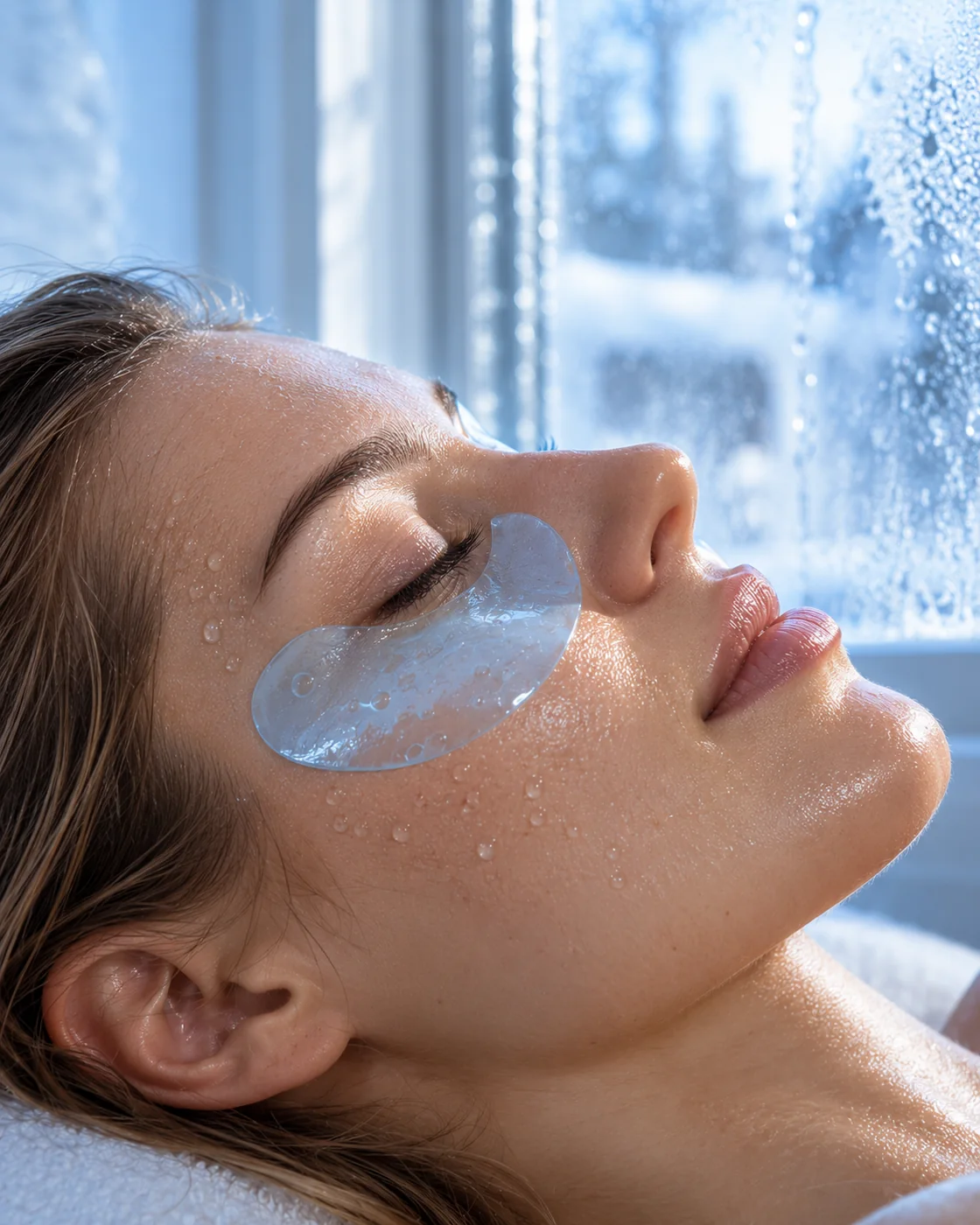
A hydrating facial for dry, tight and tired skin: cleansing, exfoliation, hydrating serums, massage and a mask. Skin is soft and fresh.
95 €90 min
GIGI
Oily, spot-prone skin doesn't need drying products – it needs balance. Here's how the GIGI Clear Skin Control facial and the right home routine help the skin calm down.
GIGI
Does your skin feel tight even though your T-zone shines? Skin can be oily and dehydrated at the same time. We explain the difference, why Finnish winters dry the skin and how to treat it at home and in the studio.

Dermalux
Why do your cheeks flush after the sauna or winter frost? A clear guide to couperose vs. rosacea, sauna protection tips and soothing studio treatments.
Tell us what's on your mind. Deniza will help you choose a suitable treatment before you book.
Hi! Can I help?

Deni answers with ready-made answers from the website and gives no medical advice. Questions are saved without your name to improve the answers – please do not write personal data in the chat.
We use analytics (Google Analytics and Microsoft Clarity) to see how the site is used and to improve it. They are turned on only if you accept. You can change your choice any time at the bottom of the page. Privacy policy