SKINIQUE JOURNAL · Teen skin · 2 min read
A child's skin isn't small adult skin: skincare for 5–12-year-olds
Many children now want their own skincare routine. Here's what a child's skin really needs, which products to avoid and when skin symptoms are for a doctor.
Skinique editorial
A new trend: children and skincare
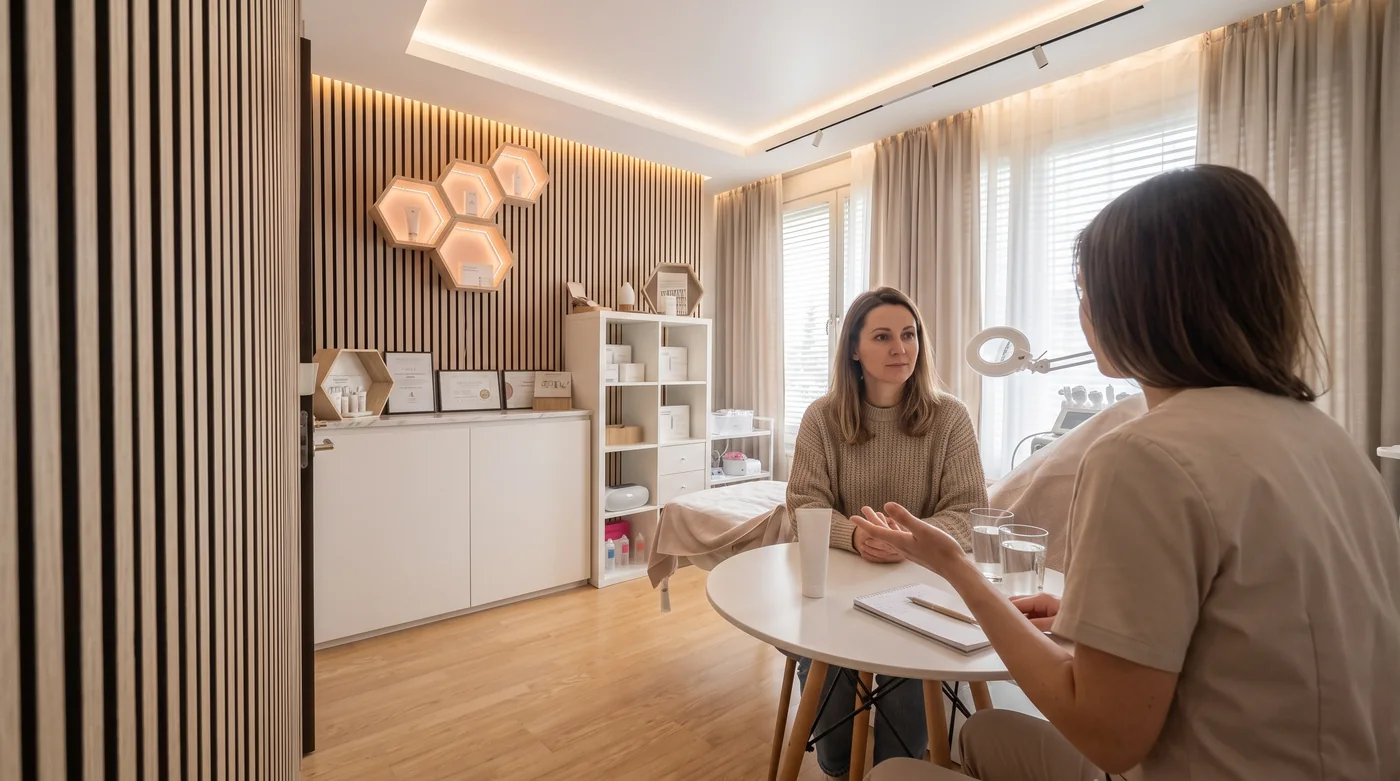
With social media, ever younger children want their own serums, masks and multi-step routines. Skincare can be a nice moment together, but it's important to know that a child's skin differs from an adult's. It's thinner, more permeable and more sensitive to irritation. Many products meant for adults – especially acids, retinoids and heavily fragranced products – can cause rashes and sensitisation in children.
What does a child's skin need?
Very little:
- washing with water or a very mild, fragrance-free cleanser
- a fragrance-free basic moisturiser if the skin is dry – especially in winter
- sunscreen outdoors, made for children
A child doesn't need anti-age products, exfoliants, serums or face masks. If a child wants "their own routine", build it from these three – it feels important to the child and is safe for the skin.
Hydration starts with the skin barrier.
Imagine the outer layer as a network of cells with lipids between them.
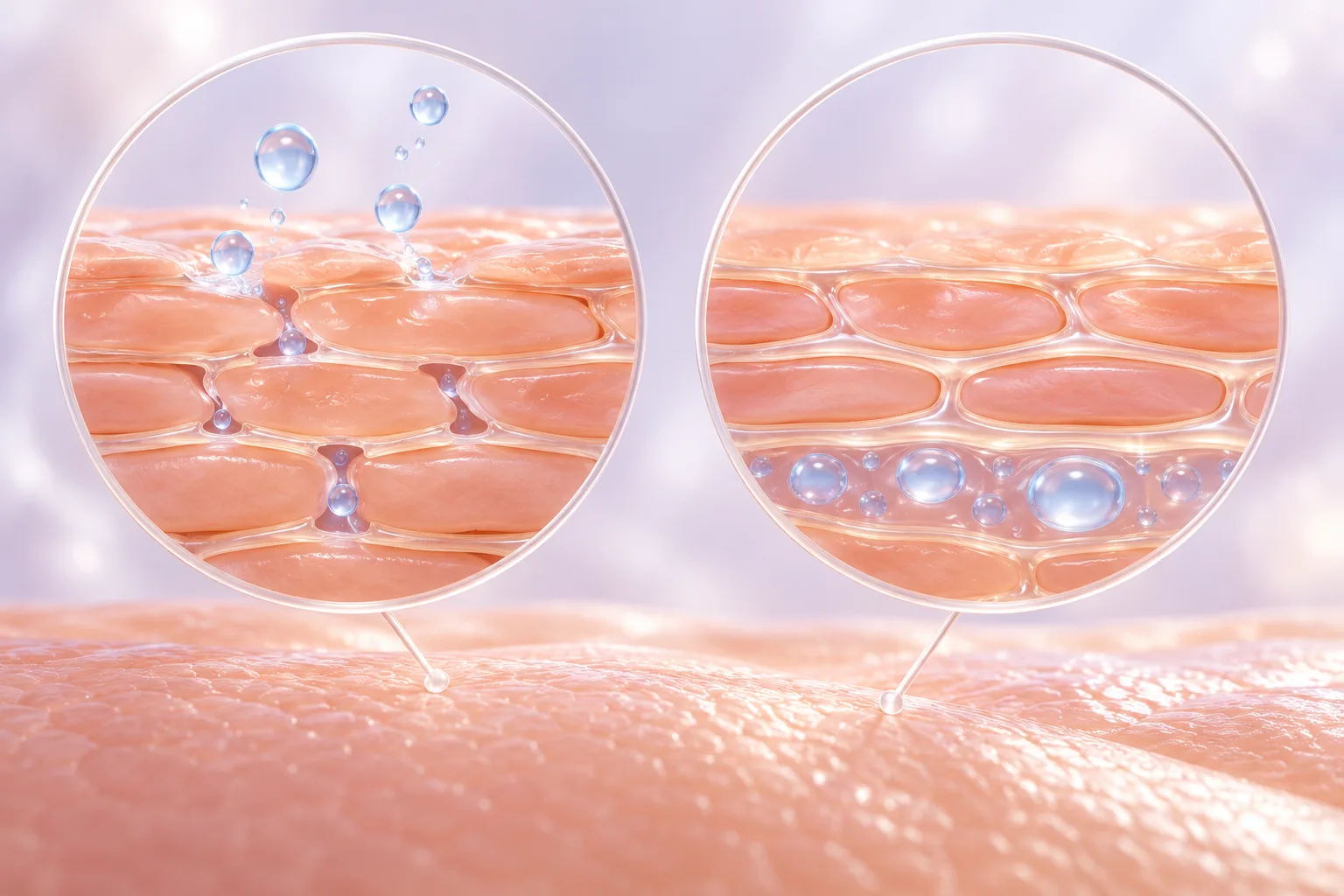
When the barrier feels stressed
Irritation and tightness are signs that your routine needs a review. When the barrier is weak, moisture escapes from the skin more easily.
Barrier support
Suitable cleansing and moisturising help the skin hold on to moisture and feel comfortable.
What to avoid
- acids (AHA, BHA) and retinoids
- heavily fragranced products and essential oils
- adult face masks and exfoliants
- trendy tactics from "beauty videos", such as layering several actives
If a child's skin goes red, itches or flakes after a new product, stop using it.
When to see a doctor
A child's skin symptoms are primarily for a doctor, not a cosmetologist. See a paediatrician or dermatologist if your child has:
- an itchy, red rash or atopic skin that doesn't calm with a basic moisturiser
- spots or acne before puberty
- new or changing moles or patches
- skin symptoms that bother them or get worse
Early-onset acne should always be checked by a doctor.
What can a cosmetologist do?
With young children a cosmetologist's role is mainly advisory: we can help parents choose mild basic products and say what to leave out. Cosmetic treatments aren't done on young children.
When puberty starts, things change. Once the skin gets oilier and blackheads appear, the young skin facial is a good way to learn the right routine. See skincare for teens. Clients under 18 need a guardian's consent.
Sources and information
Related reading
Teen skin
Skincare for teens: a simple routine that works
Teenage skin doesn't need ten products. Here's a clear guide for teens and parents: what to do in the morning and evening, what to leave out and when a cosmetologist or doctor can help.
Studio
Your first visit to a cosmetologist: how it goes and how to prepare
A first facial or cosmetologist visit can feel nerve-wracking. Here's what happens, how to choose the right treatment and what to mention in advance.
Still deciding?
Tell us what's on your mind. Deniza will help you choose a suitable treatment before you book.